Best Supplier Management Software for Fashion Shops
Discover the best supplier management software for fashion shops. Manage suppliers, purchases and inventory with Sellix.
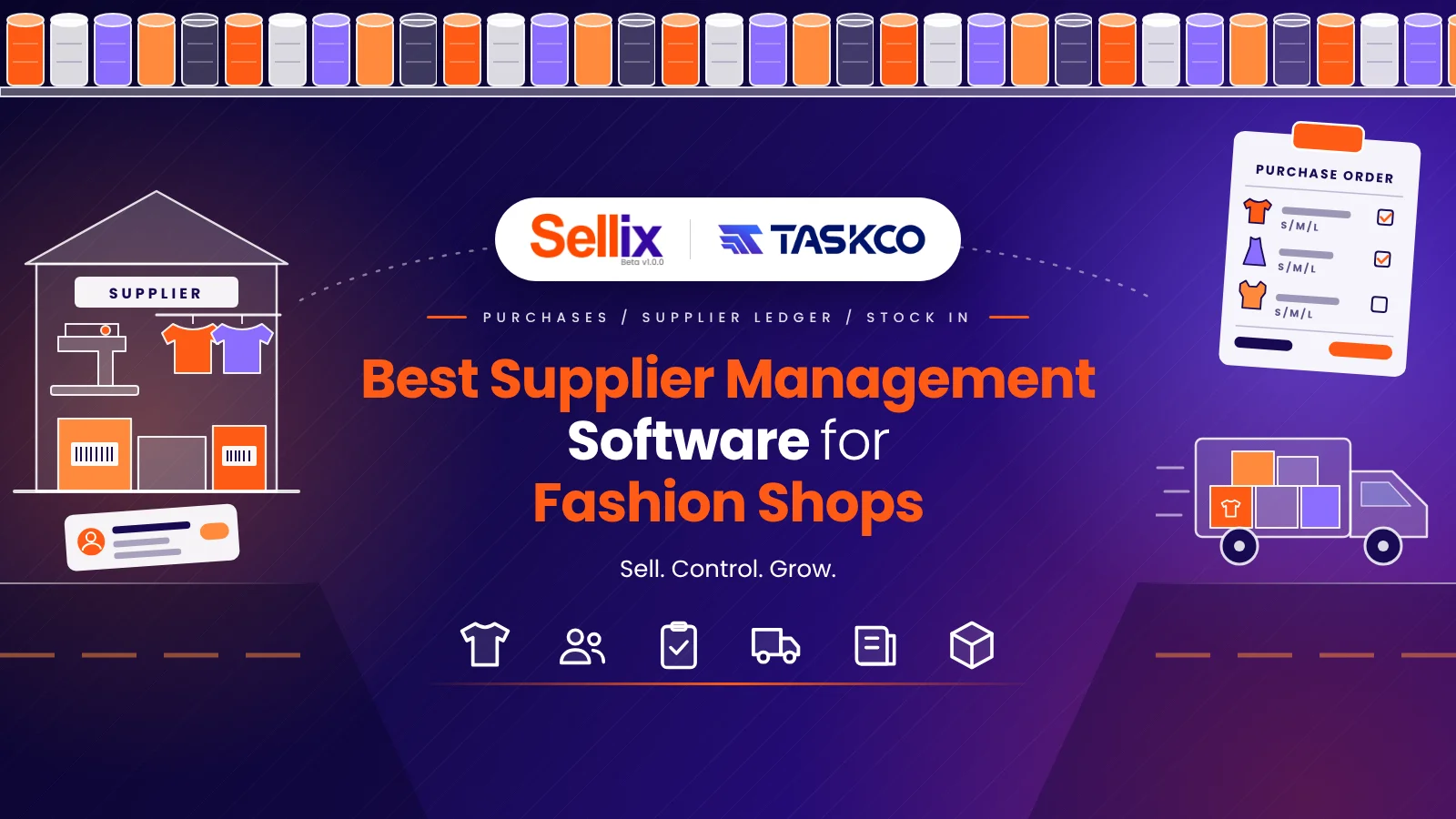
Running a fashion shop involves more than displaying attractive collections and making sales. Retailers must maintain relationships with multiple clothing suppliers, manage regular purchases, monitor stock availability and prepare for seasonal demand. Without an organized system, supplier information can become scattered, purchase records may be difficult to track, and popular products can go out of stock unexpectedly. Choosing the Best Supplier Management Software helps fashion retailers organize supplier information, control purchasing activities and maintain better visibility over their inventory.

For fashion retailers looking for a connected retail solution, Sellix by Taskco Digital brings supplier management, purchasing, inventory control, POS billing and business operations together in one platform. Instead of managing supplier details and purchase information through separate spreadsheets or manual records, retailers can use Sellix to connect purchasing activities with their wider retail operations. This makes it easier to understand stock movement, review purchasing information and manage day-to-day business activities from a more organized system.
Why Do Fashion Shops Need Supplier Management Software?
Fashion retail businesses frequently work with different suppliers for clothing, footwear, accessories, seasonal collections and other products. A shop may purchase from local manufacturers, wholesalers, importers and distributors. Managing these relationships manually becomes difficult as the number of suppliers and products increases.

The Best Supplier Management Software helps retailers organize essential supplier information and maintain a clearer purchasing process. It reduces dependence on scattered documents and makes important business records easier to access.
Here are some common challenges fashion retailers face without an organized supplier management process:
1. Scattered Supplier Information
Fashion retailers may work with several suppliers, each offering different product categories, prices and delivery arrangements. When contact details, product information and purchasing records are stored in different places, finding the right information takes time.
Best Supplier Management Software helps keep supplier records organized and accessible.
2. Difficulty Tracking Purchases
Retailers need to know what they purchased, when they purchased it and which supplier provided the products. Without proper purchase records, reviewing previous transactions and planning future purchases can become complicated.
The Best Supplier Management Software supports a more structured approach to recording and reviewing purchasing activities.
3. Seasonal Stock Planning Problems
Fashion demand changes throughout the year. Winter collections, Eid shopping, summer clothing and special fashion trends can create sudden changes in product demand.
If retailers do not have a clear view of stock and purchasing activity, they may purchase too much of slow-moving inventory or fail to replenish popular products at the right time.
4. Limited Inventory Visibility
Supplier management and inventory management are closely connected. When purchase information is disconnected from stock records, retailers may struggle to understand their current inventory position.
Best Supplier Management Software helps retailers maintain better visibility into purchasing and stock movement.
What Is Supplier Management Software?
Supplier management software is a digital system that helps businesses organize supplier information, manage purchasing activities and maintain records related to supplier transactions.
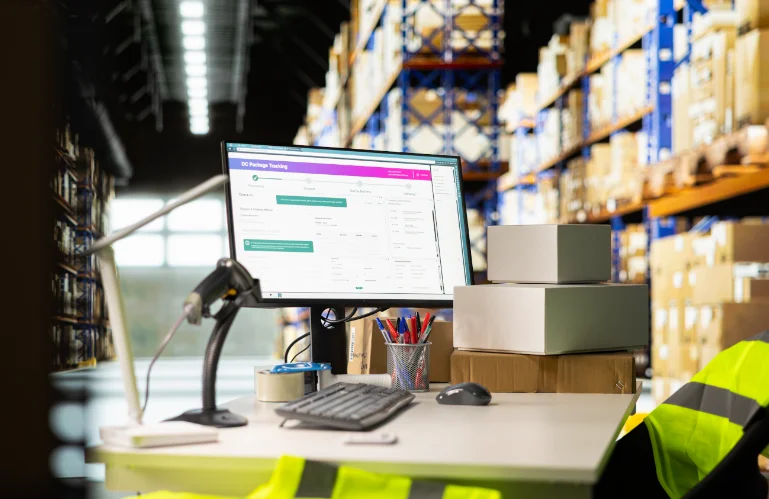
For fashion shops, it provides a structured way to manage relationships with clothing manufacturers, wholesalers, distributors and other product suppliers.
The Best Supplier Management Software should help retailers manage important activities such as:
Supplier Information Management: Maintain organized supplier details and business records.
Purchase Management: Record and manage purchases from different suppliers.
Purchase History Tracking: Review previous purchasing activities and related records.
Inventory Connection: Keep purchasing activities connected with stock management.
Business Visibility: Understand purchasing activity alongside sales and inventory information.
Stock Replenishment Planning: Use available inventory information to make better purchasing decisions.
A supplier management system becomes more valuable when it works alongside inventory, purchasing and sales operations instead of operating as an isolated tool.
How Does the Best Supplier Management Software Work for Fashion Shops?
The Best Supplier Management Software creates a more organized workflow between suppliers, purchasing and inventory. Rather than handling each activity separately, fashion retailers can maintain connected business records.

A typical workflow includes the following steps:
Step 1: Organize Supplier Records
Retailers maintain information about their suppliers, including business details and relevant purchasing records. This helps them identify suppliers and review their business relationships more easily.
For example, a clothing shop may purchase men's shirts from one supplier, women's dresses from another and accessories from a third. Organized records make these relationships easier to manage.
Step 2: Manage Purchase Activities
When a retailer needs new products, the purchasing process begins. The shop can review its requirements, select the relevant supplier and record the purchase information.
Using the Best Supplier Management Software helps maintain a clearer record of purchases instead of depending entirely on handwritten notes or disconnected spreadsheets.
Step 3: Connect Purchases with Inventory
After purchasing products, retailers need to maintain accurate stock information. A connected purchasing and inventory system helps businesses understand how purchases relate to their available stock.
For fashion shops, this is particularly important because inventory may include different designs, product categories and seasonal collections.
Step 4: Review Sales and Stock Movement
Retailers can review sales and inventory information to understand which products are moving and where stock may need attention.
This information can support better purchasing decisions and help reduce unnecessary purchases.
Step 5: Plan Future Purchases
By reviewing supplier records, purchasing activities and inventory information, retailers can make more informed decisions about future purchases.
The Best Supplier Management Software supports this process by bringing relevant information into a more organized workflow.
Essential Features of the Best Supplier Management Software for Fashion Retailers
Not every supplier management tool is designed for the requirements of fashion retail. Before choosing a solution, shop owners should understand which capabilities can support their daily operations.

1. Centralized Supplier Management
A fashion retailer should be able to maintain supplier information in an organized system. Centralized records make it easier to identify suppliers, review business details and access relevant purchasing information.
2. Purchase and Supplier Management
Supplier management should work together with purchasing. Retailers need a clear way to record purchases and understand which suppliers are connected to their purchasing activities.
This is one of the most important capabilities to look for in the Best Supplier Management Software.
3. Inventory Management Integration
Fashion shops need to monitor available stock and understand how purchases affect inventory. Integration between purchasing and inventory helps retailers maintain better stock visibility.
4. Real-Time Stock Visibility
Retailers should be able to review stock information without depending on repeated manual counting or separate records. Better inventory visibility supports purchasing decisions and helps identify products that may require replenishment.
5. Sales and Business Reports
Supplier decisions should not be made without considering sales performance. Retailers benefit from reviewing sales and business information to understand product movement and purchasing requirements.
6. Multi-Outlet Management
Fashion businesses operating multiple outlets need a better way to manage stock and business activities across locations. A connected retail platform can help owners maintain visibility across their operations.
7. AI-Based Restock Insights
Stock replenishment decisions can become difficult when retailers manage large product collections. AI-based restock insights can support retailers by helping them understand stock requirements and plan replenishment more effectively.
Meet Sellix and How Can Sellix Help Fashion Shops Manage Suppliers and Purchases?
Sellix is an AI-driven retail business operating platform designed to connect essential retail activities. It goes beyond basic POS billing by bringing purchasing, supplier management, inventory, accounting and multi-outlet operations into one connected solution.
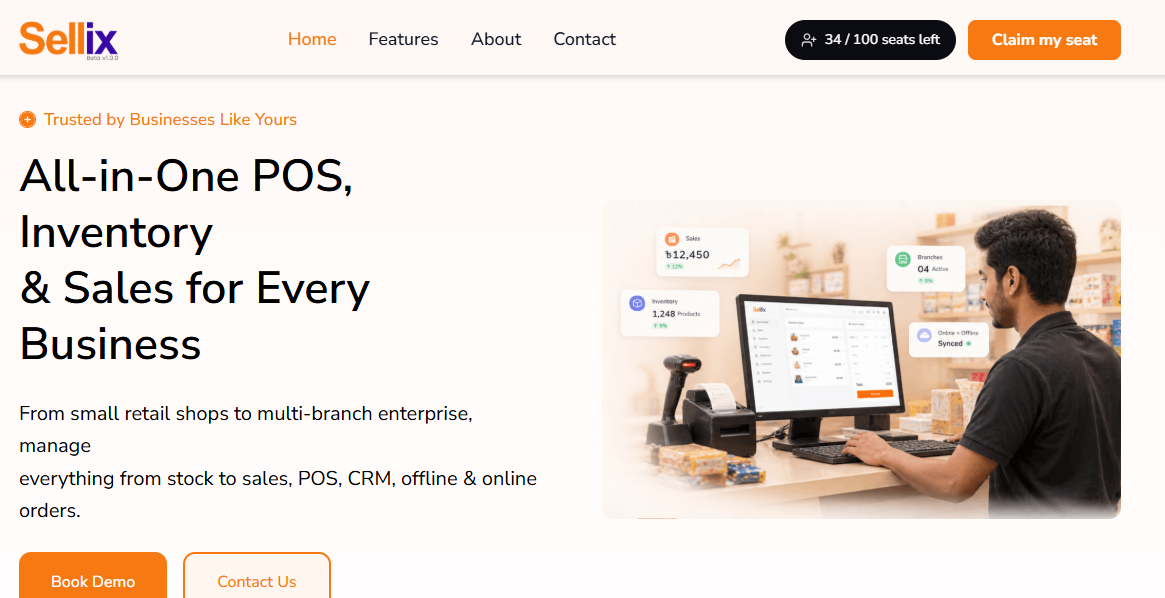
For fashion retailers, this means supplier and purchase activities can be managed alongside the other important operations of the shop.
1. Organized Supplier and Purchase Management
Sellix helps retailers manage supplier-related information and purchasing activities through a connected retail platform. Fashion shop owners can maintain a more organized purchasing process and review relevant purchase records.
Instead of depending on scattered documents, retailers can manage important business information in one system.
2. Connected Inventory Management
Fashion retailers need to understand how much stock is available and how purchasing activities affect inventory. Sellix connects purchasing with inventory management, helping retailers maintain better visibility over their stock.
This is useful when managing different product categories and preparing for seasonal collections.
3. Better Stock Control Across Outlets
For fashion brands with multiple branches, maintaining stock visibility across locations is important. Sellix supports multi-outlet management, helping businesses manage their retail operations with a more connected approach.
4. Sales Reports and Accounting
Purchasing decisions should support business profitability. Sellix brings sales reports and accounting capabilities into the retail management platform, helping retailers review business performance and understand their operations more clearly.
5. AI Restock Insights
Sellix includes AI Restock capabilities to support stock planning. Fashion retailers can use stock-related insights to make more informed replenishment decisions and prepare for changing product demand.
By connecting supplier management, purchasing and inventory activities, Sellix helps fashion retailers build a more organized retail operation.
Supplier Management Solutions for Different Types of Fashion Shops
The requirements of a fashion retailer depend on its product categories, supplier network and business size. The Best Supplier Management Software can support different types of fashion businesses by making supplier and purchasing information easier to organize.

Clothing and Apparel Shops
Clothing retailers often purchase products from multiple manufacturers and wholesalers. Organized supplier records and purchase management help them maintain a clearer view of purchasing activities and stock availability.
Boutique Shops
Boutiques may work with selected designers, local manufacturers and specialized suppliers. Maintaining supplier information and purchase history can help owners organize their sourcing activities.
Footwear Stores
Footwear retailers manage different styles, brands and sizes. Better purchasing and inventory visibility can help them understand stock requirements and plan future purchases.
Fashion Accessories Shops
Accessories retailers may source products from several suppliers. A structured supplier management process helps them keep purchasing records organized across product categories.
Multi-Branch Fashion Retailers
Fashion businesses with multiple outlets need visibility across their operations. A connected retail management platform can help owners coordinate purchasing, inventory and sales activities more efficiently.
How to Choose the Best Supplier Management Software for Your Fashion Shop
Choosing software is an important business decision. The right solution should support your current operations and remain useful as your fashion business grows.

Before selecting the Best Supplier Management Software, consider these factors:
1. Understand Your Supplier Network
Identify how many suppliers you work with and what information you need to maintain. A shop with several clothing suppliers may have different requirements from a boutique working with a few selected designers.
2. Check Purchase Management Capabilities
Make sure the software supports your purchasing workflow and helps you maintain relevant purchase records. Supplier information should be useful when reviewing previous and future purchases.
3. Look for Inventory Integration
Supplier management should not remain separate from inventory. Choose a system that connects purchasing activities with stock information.
4. Evaluate Reporting Capabilities
Sales, purchasing and inventory information can help you make better business decisions. Review whether the software provides useful reports and business insights.
5. Consider Business Growth
If you plan to open additional outlets, consider a platform that supports multi-outlet operations. Moving to another system later can create additional work and operational complexity.
6. Check Support and Product Demonstrations
Before making a decision, explore the software, understand its features and request a demonstration. This helps you determine whether the platform fits your shop's actual workflow.
The Best Supplier Management Software is not necessarily the one with the longest feature list. It is the solution that supports your supplier relationships, purchasing activities and inventory requirements in a practical way.
How Sellix Simplifies Supplier, Purchase and Inventory Management
Sellix is designed for retailers who want more than a standalone billing system. It connects essential retail functions and helps businesses manage daily operations through one platform.
Here are some reasons fashion retailers can consider Sellix:
Connected Retail Operations: Manage POS, inventory, purchasing and supplier-related activities through one platform.
Inventory Visibility: Maintain better awareness of stock and inventory movement.
AI Restock: Use AI-based stock insights to support replenishment planning.
Multi-Outlet Management: Manage retail activities across multiple business locations.
Sales and Accounting: Review sales information and accounting activities.
Retail-Focused Platform: Use a solution developed to support the operational needs of retail businesses.
Sellix by Taskco Digital helps fashion retailers move towards a more connected and organized way of managing their businesses.
Final Thoughts on the Best Supplier Management Software for Fashion Shops
Managing suppliers effectively is essential for fashion shops that want to maintain product availability, organize purchases and control inventory. As a fashion business grows, manual supplier records and disconnected purchasing processes can make daily operations increasingly difficult.
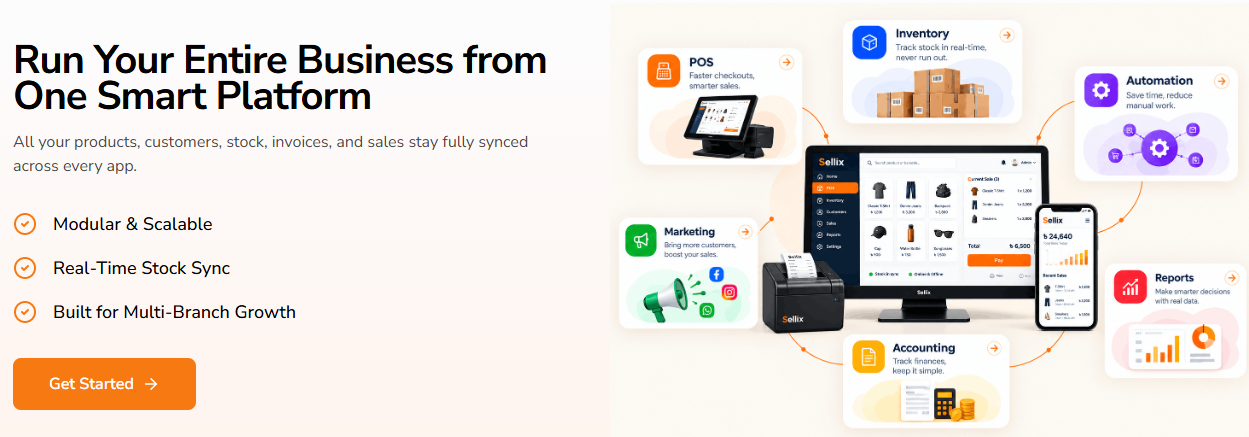
The Best Supplier Management Software helps retailers organize supplier information, maintain purchase records and connect purchasing with inventory management. However, fashion retailers should look beyond supplier records and choose a solution that supports their wider business operations.
With supplier management, purchasing, inventory, POS billing, sales reporting, accounting, multi-outlet management and AI Restock capabilities, Sellix by Taskco Digital offers a connected retail management approach for fashion businesses. It helps retailers manage their operations more systematically and make informed decisions as their business grows.