Best Supplier Management Software for Electronics Stores
Explore the Best Supplier Management Software for electronics stores. Manage suppliers, purchases, inventory and costs with Sellix.
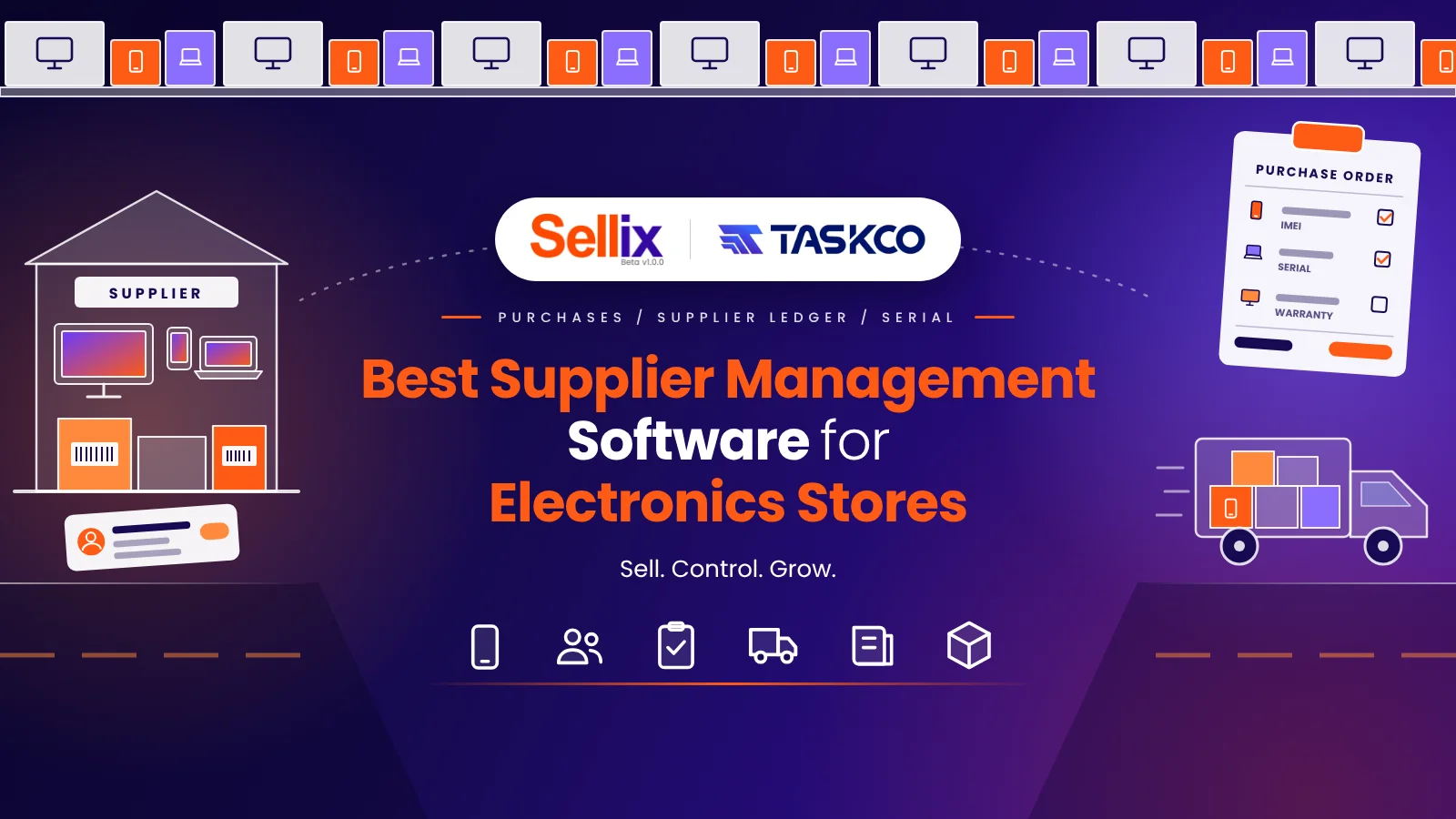
Running an electronics store means managing more than product sales. Retailers deal with multiple suppliers, changing product prices, bulk purchases, warranty terms, serial numbers and fast-moving stock. Without a connected system, purchase records can become scattered, supplier follow-ups may be missed and popular products can go out of stock. The Best Supplier Management Software helps electronics retailers organize supplier information, monitor purchasing activities and make better stock decisions from one place.
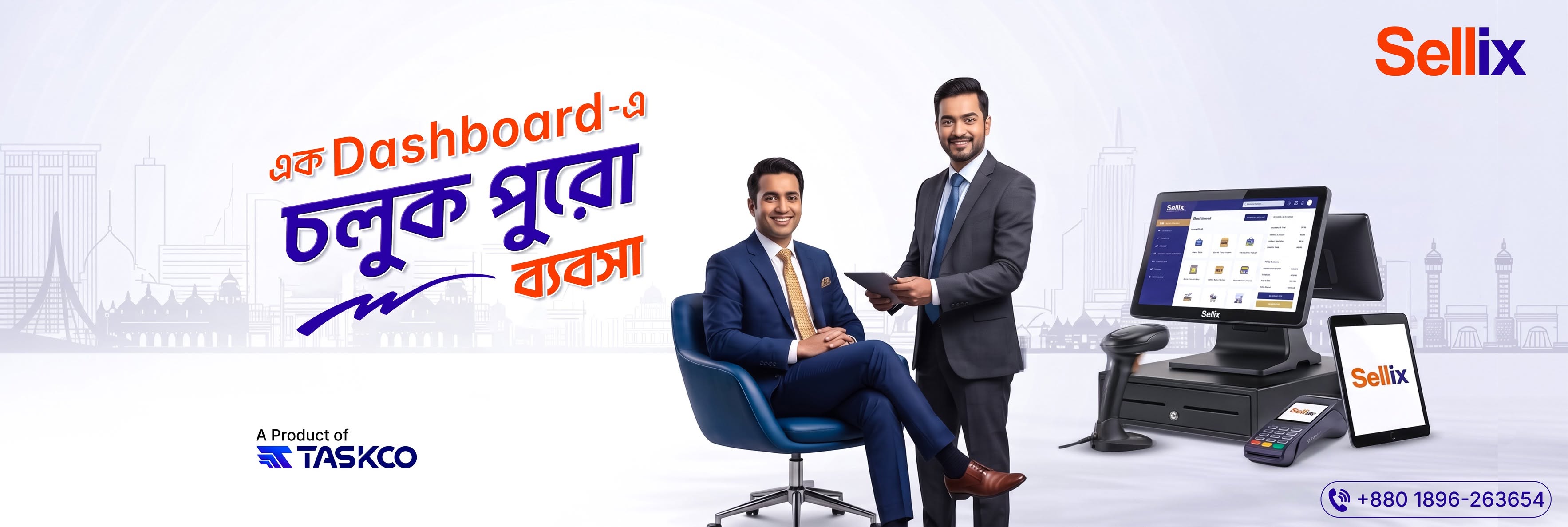
For electronics retailers looking to simplify these tasks, Sellix by Taskco Digital offers an integrated retail management platform that connects purchasing and supplier management with POS billing, inventory, accounting and multi-outlet operations. Rather than treating supplier records as separate paperwork, Sellix helps retailers connect purchase activities with the wider store workflow. This makes it a practical option for businesses searching for the Best Supplier Management Software to manage day-to-day retail operations more systematically.
What Is Supplier Management Software?
Supplier management software is a digital solution that helps a business maintain supplier information and manage the purchasing process. It provides a central place to record supplier details, track purchase activities, review previous transactions and monitor products received from vendors.

For an electronics store, this process can be especially important. A retailer may purchase smartphones from one distributor, accessories from another, laptops from a separate vendor and home appliances from multiple suppliers. Each supplier may have different prices, delivery schedules, payment terms and product availability. The Best Supplier Management Software helps organize these relationships and gives the business a clearer view of its purchasing activities.
It is not simply a digital contact list. A useful system connects supplier records with purchase history and inventory information. When purchasing and stock data are connected, store owners can understand what was ordered, what was received and which products need replenishment. The Best Supplier Management Software can therefore support better coordination between suppliers, purchasing staff and store operations.
Top Reasons to Use Supplier Management Software in Electronics Stores
Electronics retail has purchasing challenges that are different from many other retail categories. Products can have high unit prices, frequent model updates, different configurations and specific warranty or serial-number requirements. A poor purchasing decision can tie up working capital or leave a store with products customers no longer want.

1. Managing Multiple Suppliers
Electronics stores often work with several distributors and wholesalers. Keeping supplier names, contact details, product categories, purchase records and payment information in separate files makes it difficult to find accurate information quickly. The Best Supplier Management Software creates a more organized way to maintain supplier records and review business transactions.
2. Keeping Purchase Records Organized
When purchase details are recorded manually, staff may have difficulty checking previous prices, quantities and order dates. A connected purchasing system helps retailers review purchase history and compare transactions. With the Best Supplier Management Software, managers can make purchasing decisions with better access to past records instead of relying only on memory or scattered documents.
3. Avoiding Stock Shortages
Popular smartphones, chargers, headphones, routers and other accessories may sell quickly. If retailers do not monitor stock and purchasing activity, they may discover shortages only after customers ask for a product. The Best Supplier Management Software, when connected with inventory management, helps retailers identify stock requirements and plan replenishment more effectively.
4. Understanding Product Costs
Electronics prices can change due to market conditions, supplier offers and product availability. Reviewing purchase records helps retailers understand how much they paid for products and assess their selling prices. The Best Supplier Management Software supports more informed purchasing by keeping supplier and purchase information easier to review.
5. Coordinating Multiple Outlets
A business with several branches may purchase products centrally or allow individual outlets to manage some purchases. Without a shared system, head-office teams can struggle to understand which branch needs stock and what has already been ordered. The Best Supplier Management Software can support more consistent purchasing visibility when connected to multi-outlet retail operations.
Essential Features of the Best Supplier Management Software for Electronics Stores
Not every supplier tool is designed for the needs of an electronics retailer. Before choosing the Best Supplier Management Software, businesses should evaluate whether it supports the following activities.
Centralized Supplier Information
The system should make it easy to keep supplier profiles and relevant business information in one place. Retailers need to identify which vendor supplies particular product categories and review their transaction history. Centralized records reduce the time spent searching through spreadsheets, paper files and individual messages.
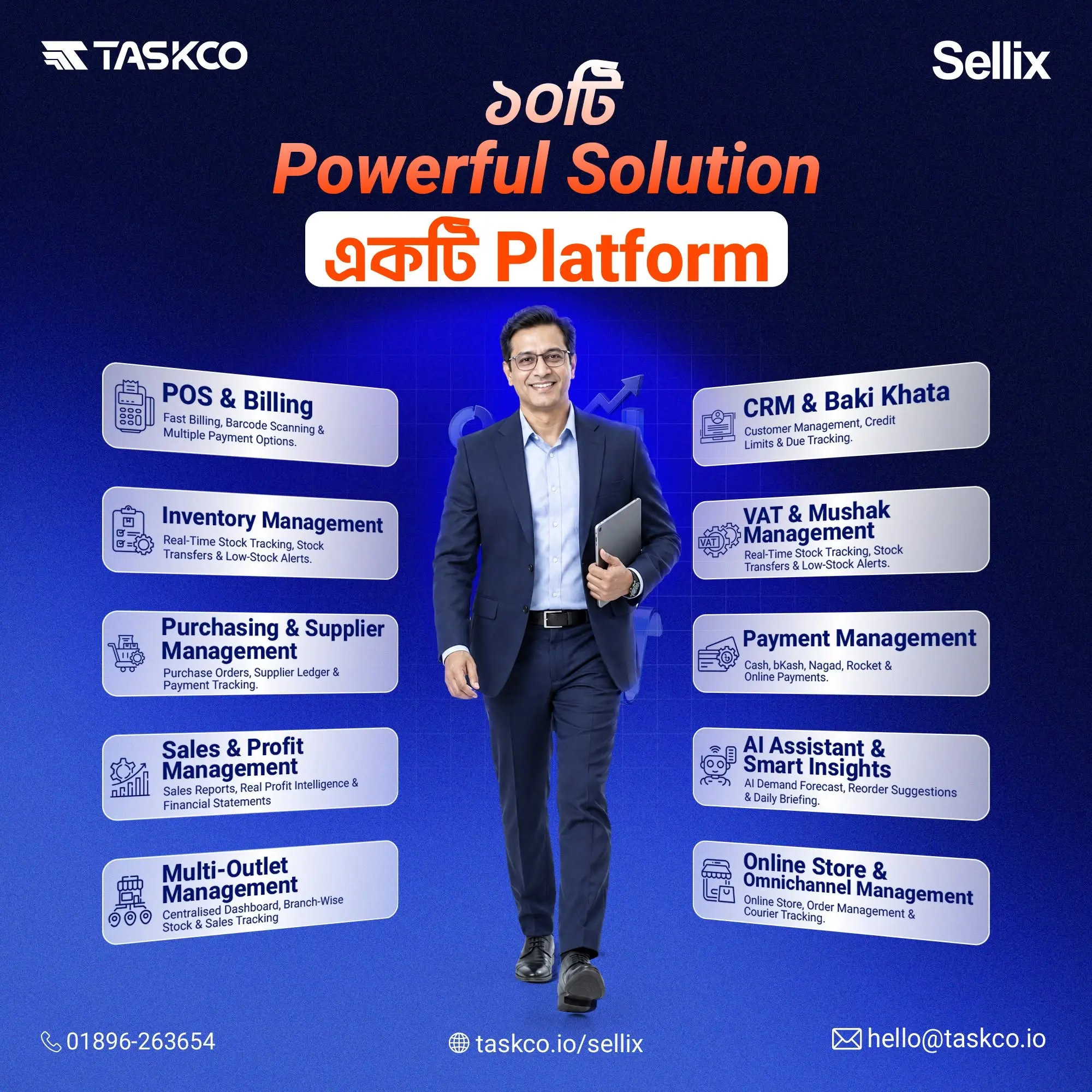
Purchase and Supplier Management
Supplier management should be connected to purchasing. Retailers should be able to record purchases, review previous transactions and understand which suppliers are associated with different products. The Best Supplier Management Software should make purchase information easier to access so managers can evaluate suppliers and maintain a more organized procurement process.
Inventory and Stock Visibility
Supplier records become more useful when they connect with inventory. Retailers need to understand current stock levels and identify products that require replenishment. A connected platform can reduce the gap between purchasing decisions and stock records. For electronics businesses, this is valuable when managing products with different models, variants and price points.
Product and Serial Number Tracking
Electronics retailers may need to manage IMEI numbers, serial numbers and warranty information for applicable products. These details help businesses identify individual units and support after-sales processes. When evaluating the Best Supplier Management Software, retailers should consider how supplier and purchase workflows fit with product identification and warranty management in their wider retail system.
Purchase History and Reporting
Purchase history helps store owners review supplier transactions, quantities and costs over time. Reports can make it easier to identify purchasing patterns and assess business performance. The Best Supplier Management Software should help decision-makers use recorded information rather than depend on manual calculations.
Multi-Outlet Management
For retailers operating more than one branch, centralized visibility is important. Managers need to understand stock requirements across outlets and coordinate purchasing accordingly. A retail platform with multi-outlet management can help connect branch operations with head-office oversight.
Restocking Insights
Retailers should not wait until a product runs out before thinking about the next purchase. Stock monitoring and restocking insights can help businesses identify products that may need attention. Where available, AI-based restock recommendations can further support purchasing decisions. The Best Supplier Management Software is more useful when it contributes to a complete stock-planning workflow.
Introducing Sellix and How Sellix Works as a Supplier and Purchase Management Solution
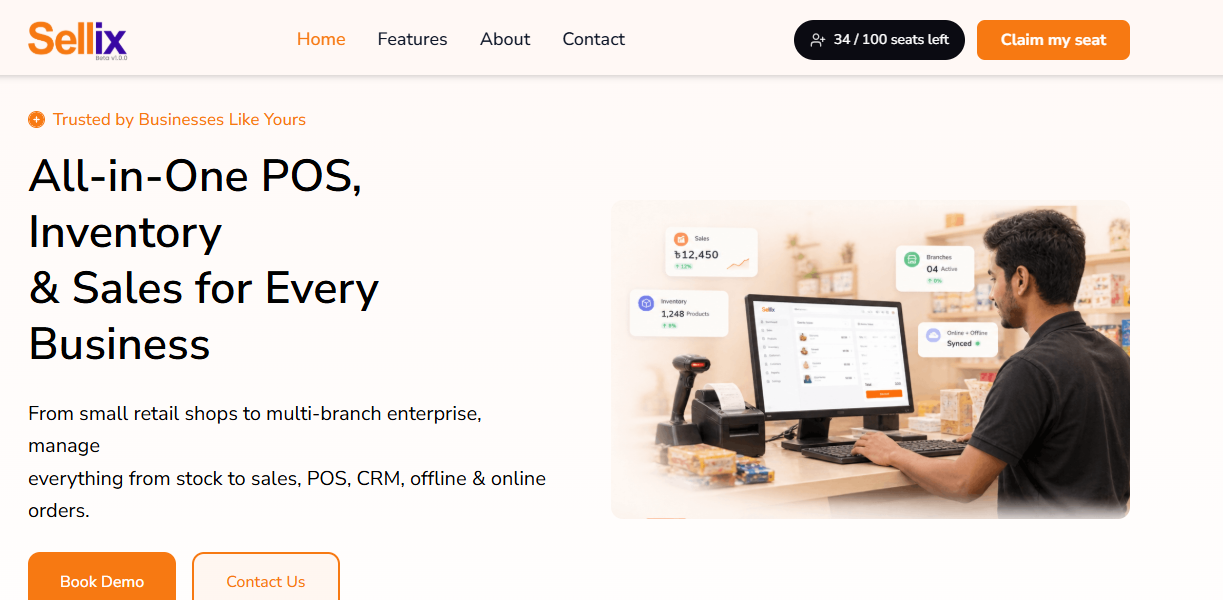
Sellix is an AI-driven retail business operating platform designed to connect key retail activities. It brings POS billing, inventory, purchasing, supplier management, accounting and multi-outlet operations into a connected system. For electronics stores, this can reduce the need to maintain disconnected tools for everyday retail tasks.
1. Organize Supplier and Purchase Activities
Retailers can use Sellix to manage purchasing and supplier-related operations as part of their retail workflow. Keeping these activities connected helps store teams review purchasing information and maintain a more organized record of business transactions. This is an important part of choosing the Best Supplier Management Software for a growing electronics business.
2. Connect Purchases with Inventory
Purchasing decisions affect stock availability. Sellix connects purchase management with inventory operations, helping retailers maintain a clearer picture of their products and stock. Instead of treating purchases and inventory as unrelated tasks, businesses can manage them within the same retail platform.
3. Manage Sales Through POS Billing
When products are sold, the POS system records sales as part of the store's operating workflow. Connected sales and inventory information can help retailers understand product movement and identify items that may require replenishment. This gives the Best Supplier Management Software a broader role in the business, beyond maintaining vendor details.
4. Track Electronics Products
Electronics stores may need to handle IMEI or serial numbers and warranty information. Sellix includes IMEI, serial number and warranty management capabilities, supporting retailers that sell products where unit-level identification matters. Retailers should configure their processes according to the product types and information they need to track.
5. Coordinate Multiple Outlets
Sellix supports multi-outlet management, helping businesses oversee operations across branches. This can be useful when a retailer needs to review stock and sales activity across locations and coordinate purchasing decisions. A connected platform can make it easier for management teams to work with a shared operational view.
6. Use Reports and Restocking Insights
Sales and accounting information help retailers understand business performance, while AI Restock capabilities can support stock planning. Together, these tools help electronics businesses make more informed decisions about what to monitor and when to consider replenishment. For retailers comparing the Best Supplier Management Software, connected reporting and stock insights are important considerations.
How Supplier Management Software Benefits Different Electronics Businesses
Mobile Phone Stores
Mobile phone retailers handle multiple brands, models, storage variants and accessories. They may also need to manage IMEI numbers and warranty details. Supplier and purchase records help these stores review where products were sourced and understand purchasing history. The Best Supplier Management Software can help bring these activities into a more structured workflow.

Computer and Laptop Stores
Computer retailers may purchase laptops, desktops, monitors, keyboards, storage devices and networking products from different vendors. Organized supplier records and purchase history can help them review product sourcing and plan future purchases based on stock requirements.
Consumer Electronics Stores
Stores selling televisions, refrigerators, air conditioners and home appliances often deal with different product categories and suppliers. A connected purchasing and inventory system can help managers maintain visibility across product lines and outlets.
Electronics Accessories Shops
Accessories shops may manage a large number of lower-priced, fast-moving items such as cables, chargers, cases, adapters and headphones. Monitoring stock and purchase activity is important for keeping popular products available. The Best Supplier Management Software can support a more organized replenishment process when connected with inventory.
How to Choose the Best Supplier Management Software
Choosing the right system requires more than comparing feature lists. Electronics retailers should first understand their current purchasing problems and then assess whether a solution addresses them.
Check supplier record management: Confirm that the platform can organize supplier information and make purchase history accessible.
Review purchasing workflows: Understand how purchases are recorded and connected to supplier information.
Look for inventory integration: Supplier management should support stock visibility and replenishment planning.
Consider electronics-specific needs: Check whether the wider retail system supports serial number, IMEI and warranty management where relevant.
Evaluate multi-outlet support: If the business has branches, check how the system supports centralized oversight.
Review reporting capabilities: Purchase, sales and accounting information should help management make better decisions.
Ask for a product demonstration: Test the workflows your staff use regularly before selecting a platform.
The Best Supplier Management Software for one store may not be the right choice for a large electronics chain. The right solution should match the business's product range, purchasing volume, number of outlets and operational requirements.
Sellix by Taskco Digital: Built for Smarter Retail Management
Sellix is designed for retailers that want more than a standalone billing or supplier record tool. It connects several important parts of retail management in one platform. Electronics stores can use its capabilities to manage purchasing and suppliers alongside POS, inventory, accounting, product identification and multiple outlets.
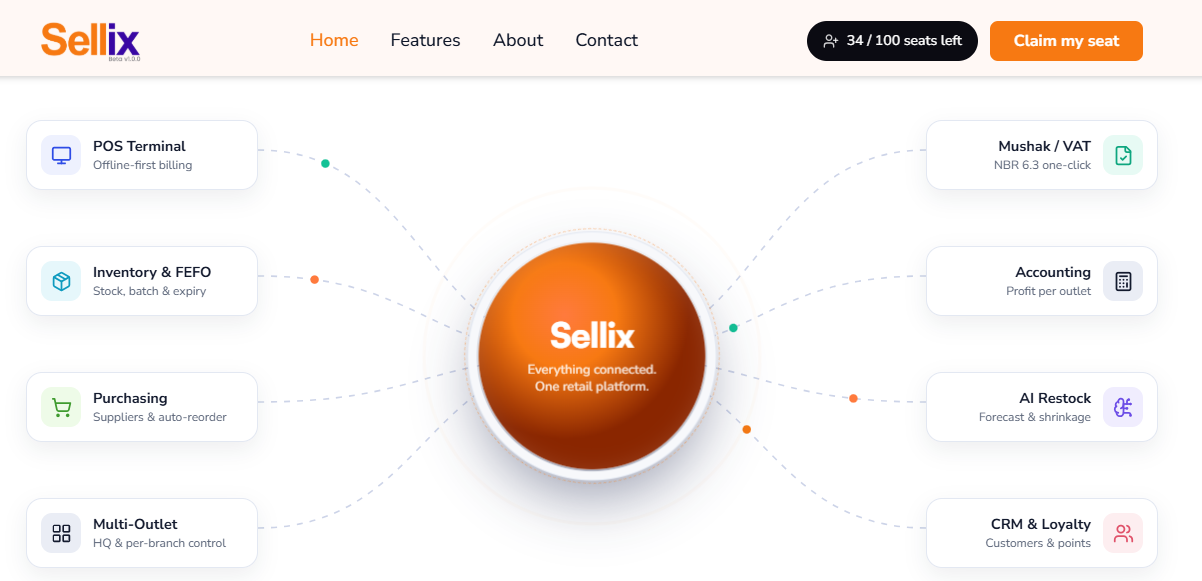
Key capabilities include:
POS and billing for day-to-day sales.
Inventory management and real-time stock visibility.
Purchase and supplier management.
IMEI, serial number and warranty management.
Multi-outlet management for growing retail businesses.
Sales reports and accounting tools.
AI Restock insights to support stock planning.
For retailers searching for the Best Supplier Management Software, Sellix offers a connected approach to supplier and purchase management within a wider retail operating platform. It helps businesses reduce fragmented workflows and manage key operations with better visibility.
Build a Smarter Electronics Business with Better Supplier Management
Supplier relationships and purchasing decisions have a direct impact on product availability, stock investment and customer satisfaction in electronics retail. Managing suppliers through scattered files and disconnected processes can make it difficult to review purchase history, coordinate replenishment and maintain consistent records.

The Best Supplier Management Software should connect supplier information with purchasing, inventory and the wider retail workflow. Electronics retailers should evaluate solutions based on their actual requirements, including product identification, warranty records, reporting and multi-outlet operations.
Sellix by Taskco Digital brings supplier and purchase management together with POS, inventory, accounting and AI Restock capabilities. For electronics stores looking to organize their operations and make more informed purchasing decisions, Sellix is a platform worth exploring.