Best Supplier Management Software for Convenience Stores
Discover the best supplier management software for convenience stores. Manage suppliers, purchasing and inventory with Sellix by Taskco Digital.
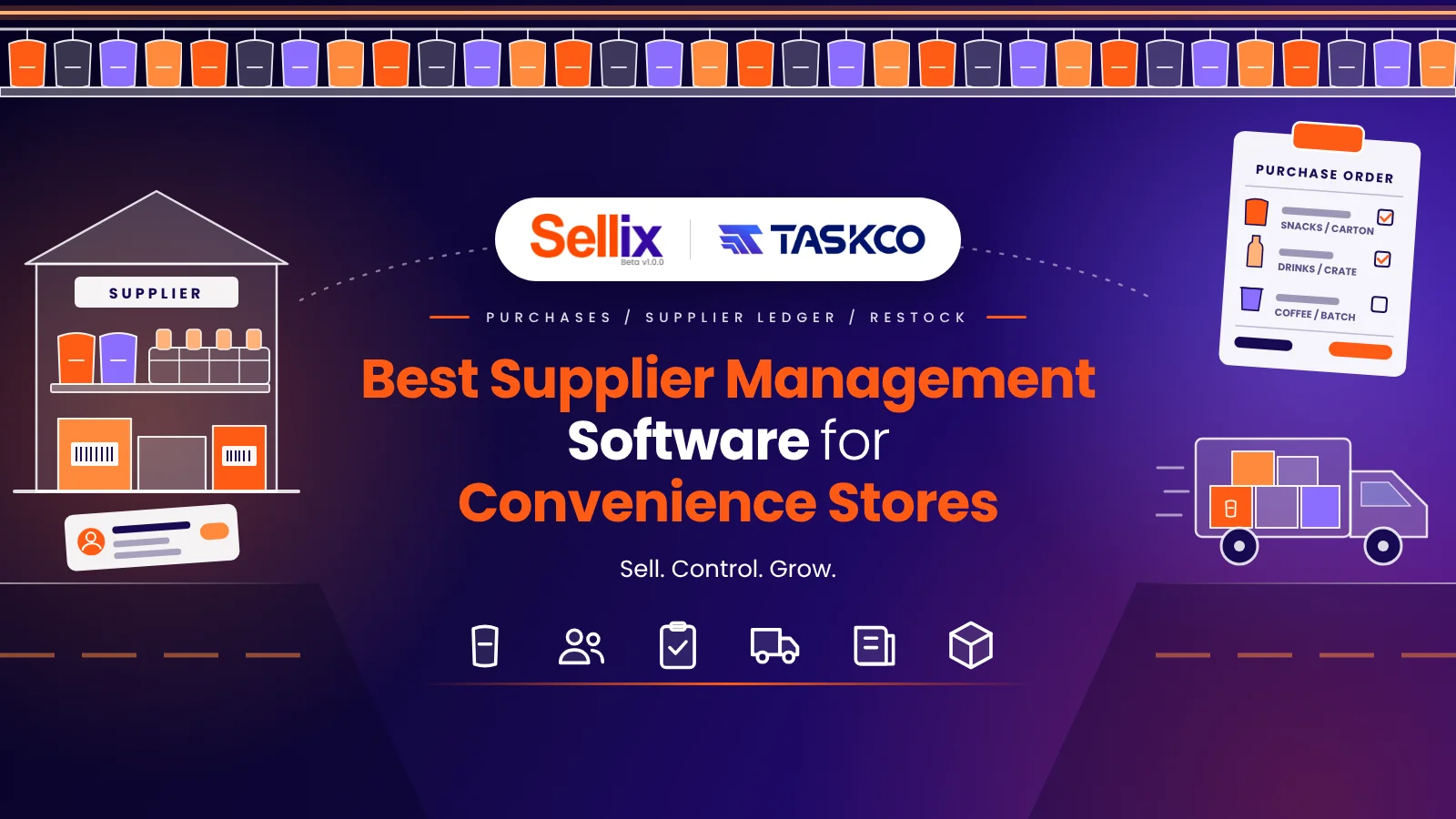
Running a convenience store means managing hundreds or even thousands of products, purchasing stock regularly and coordinating with different suppliers. From grocery items and beverages to snacks, personal care products and household essentials, every product needs to be available when customers need it. Choosing the Best Supplier Management Software can help convenience store owners organize purchasing activities, maintain supplier information and improve stock replenishment decisions.
For convenience stores looking to connect purchasing with everyday retail operations, Sellix by Taskco Digital offers a connected retail management platform with purchasing, supplier management, inventory tracking, POS billing and AI-assisted restock capabilities. It helps retailers manage essential business activities through one platform instead of depending on separate spreadsheets, notebooks and disconnected tools. With the Best Supplier Management Software, store owners can build a more organized purchasing process and maintain better visibility into their inventory.
Key Reasons Convenience Stores Need a Supplier Management System
Convenience stores operate in a fast-moving retail environment. Customers expect everyday products to remain available, while store owners must continuously monitor stock levels and arrange purchases from suppliers.

Managing these activities manually can create several challenges:
1. Managing Multiple Suppliers
A convenience store may purchase beverages from one supplier, snacks from another and grocery products from several distributors. Keeping supplier details and purchasing information organized becomes difficult when everything is recorded separately.
2. Avoiding Stock Shortages
Running out of frequently purchased products can lead to missed sales and dissatisfied customers. Without updated inventory information, store owners may not recognize replenishment requirements on time.
3. Controlling Unnecessary Purchases
Buying more products than necessary can tie up working capital and create storage problems. Retailers need to understand their current stock position before arranging new purchases.
4. Maintaining Organized Purchase Records
Paper-based records and spreadsheets can make it difficult to review previous purchasing activities. A structured system helps retailers keep purchasing information more organized.
The Best Supplier Management Software should help convenience stores address these challenges by connecting supplier-related activities with purchasing and inventory management.
Understanding Supplier Management Software for Retail Businesses
Supplier management software is a digital solution that helps businesses organize information and activities related to the suppliers they work with. It supports the process of managing supplier details, coordinating purchases and maintaining visibility into purchasing operations.

For convenience stores, Best Supplier Management Software closely connected with inventory. Retailers need to know which products are running low, where those products are sourced and when replenishment may be required.
A suitable Best Supplier Management Software should support several important activities:
Organizing supplier-related information.
Managing purchasing activities.
Maintaining purchase records.
Connecting purchasing with inventory.
Supporting stock replenishment.
Improving visibility into business operations.
When these activities are connected, convenience store owners can make more informed purchasing decisions.
Key Features to Look for in the Best Supplier Management Software
Not every supplier management solution offers the same capabilities. Before choosing software, convenience store owners should consider how well it supports their actual purchasing and inventory requirements.
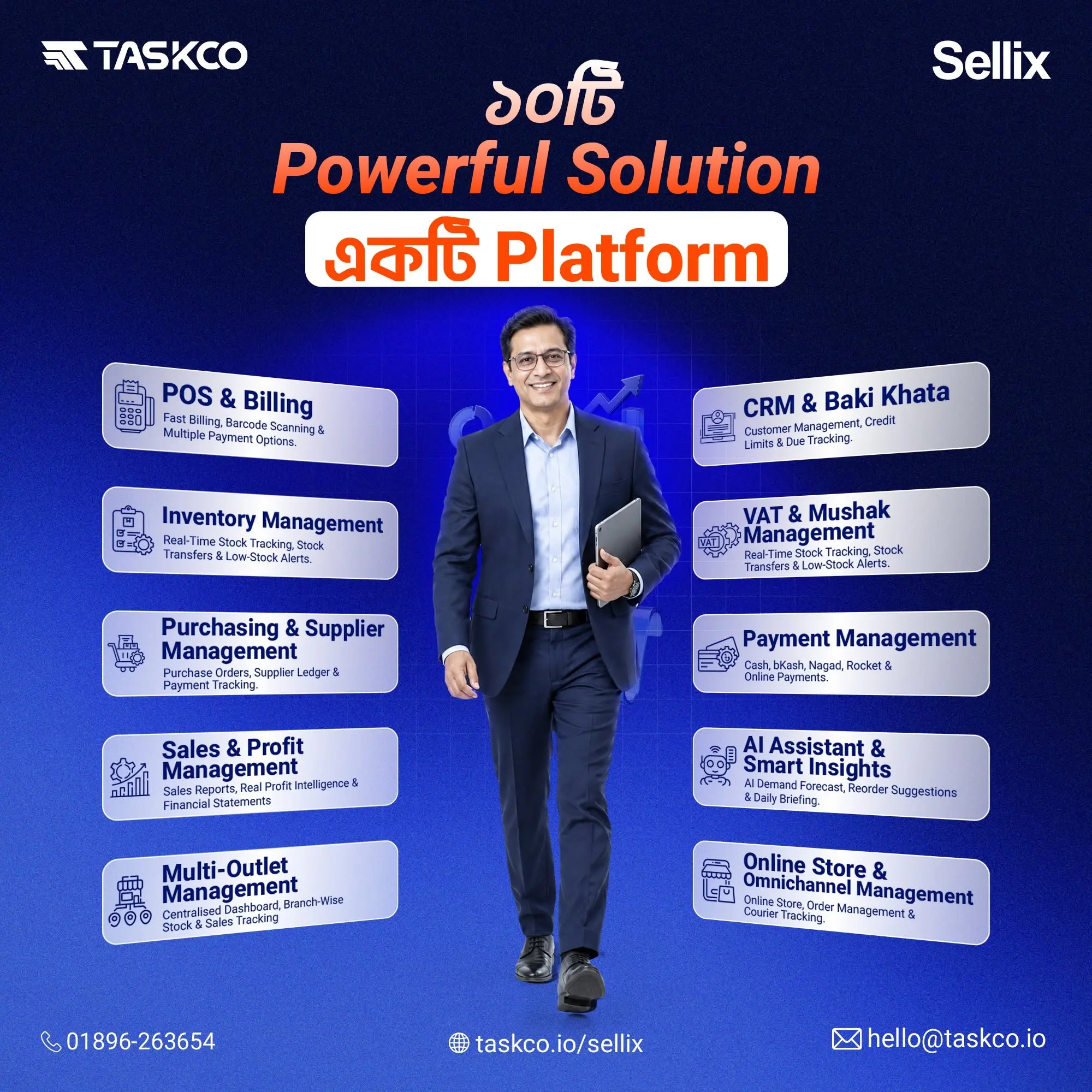
Here are some important features to evaluate when comparing the Best Supplier Management Software.
1. Centralized Supplier Information Management
A convenience store may work with multiple suppliers for different product categories. Keeping relevant supplier information organized can make daily purchasing coordination easier.
Organized Supplier Records
Best Supplier Management Software provide supplier-related information in an organized business environment, making it easier to access relevant details when required.
Supplier-Based Purchasing Visibility
Retailers should be able to connect supplier-related activities with their purchasing operations to understand where products are sourced.
Easier Supplier Coordination
Organized supplier information can help store owners manage routine purchasing activities without depending entirely on scattered documents.
2. Purchase Management and Tracking
Supplier management becomes more useful when it works alongside purchasing. Retailers need a structured way to manage the products they purchase and maintain visibility into incoming stock.
Organized Purchase Records
A purchase management system helps retailers maintain structured information about their purchasing activities.
Purchase and Inventory Connection
Purchasing should be connected with inventory information so store owners can understand how incoming products relate to their existing stock.
Better Purchasing Visibility
Access to organized purchase information helps retailers review buying activities and make more informed decisions.
This connection is an important consideration when selecting the Best Supplier Management Software for a convenience store.
3. Real-Time Inventory Management
Supplier decisions should be based on the actual stock position of a store. Without updated inventory information, retailers may purchase products that are already available or overlook products that need replenishment.
Look for inventory capabilities such as:
Real-time stock tracking.
Product-wise stock visibility.
Low-stock monitoring.
Batch and expiry management where relevant.
Stock visibility across different outlets.
For convenience stores selling packaged food and other expiry-sensitive products, batch and expiry tracking can be particularly useful.
4. Auto-Reorder and Stock Replenishment Support
Convenience stores regularly need to replenish fast-moving products. A system with reorder support can help retailers organize this process more efficiently.
Identify Replenishment Requirements
Updated stock information helps retailers understand which products may require replenishment.
Support Reorder Activities
Auto-reorder support can help organize routine purchasing and replenishment activities.
Connect Reordering with Inventory
When purchasing and inventory work together, retailers can make decisions with better visibility into product availability.
The Best Supplier Management Software should make stock replenishment easier to organize rather than creating another disconnected process.
5. Multi-Outlet Supplier and Inventory Visibility
Some convenience store businesses operate multiple branches. Managing suppliers and purchasing across different locations can become complicated when each outlet maintains separate records.
A connected system should support:
Centralized head-office visibility.
Branch-level business control.
Stock visibility across outlets.
Outlet-wise sales and accounting information.
Better coordination of replenishment requirements.
These capabilities become increasingly important as a convenience store business expands.
6. Accounting and Business Reporting
Purchasing affects the financial performance of a convenience store. Retailers need to understand how purchasing activities relate to sales, expenses and overall business performance.
When evaluating the Best Supplier Management Software, consider whether it connects purchasing with accounting and reporting capabilities.
A connected platform can help business owners review relevant financial information alongside their purchasing and inventory activities. This provides a more complete picture of business operations.
How Does the Best Supplier Management Software Work in a Convenience Store?
A supplier management system should support the complete purchasing workflow, from identifying stock requirements to organizing purchases and monitoring business operations.
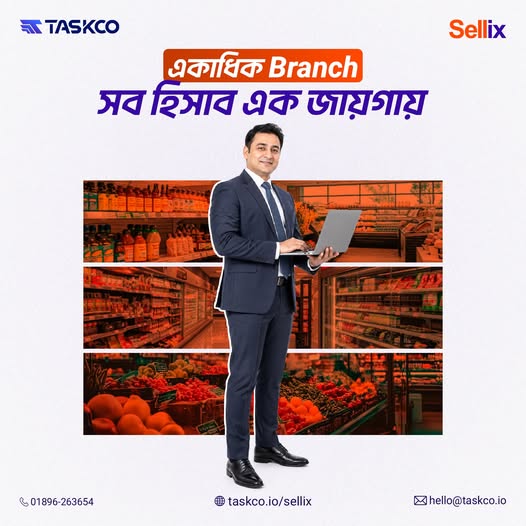
Consider a convenience store that sells beverages, snacks, packaged food and household essentials.
Step 1: Monitor Available Inventory
The retailer checks product availability through the inventory management system. Updated stock information helps identify products that may require replenishment.
Step 2: Identify Purchasing Requirements
The store owner reviews stock requirements and determines which products need to be purchased.
Step 3: Coordinate with Suppliers
The retailer uses organized supplier-related information to manage purchasing activities and coordinate product sourcing.
Step 4: Manage Incoming Stock
Purchase-related activities are connected with inventory management, helping retailers maintain better visibility into their stock.
Step 5: Review Business Performance
Sales, inventory and accounting information help the owner understand business performance and plan future purchasing activities.
The Best Supplier Management Software should support this connected workflow so retailers can manage purchasing as part of their wider business operations.
Introducing Sellix and How Sellix Helps Convenience Stores Manage Suppliers and Purchasing
Sellix is an all-in-one POS, inventory and sales management platform designed for retail businesses. It brings purchasing and supplier-related capabilities into the same business environment used for everyday retail operations.
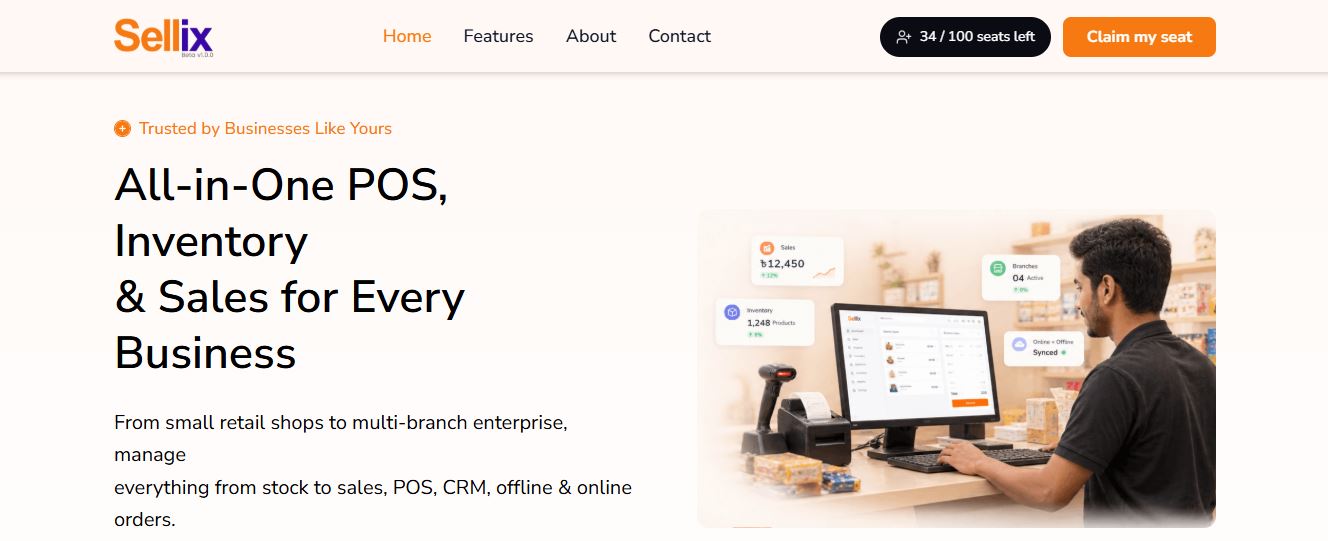
Here is how Sellix can support convenience store management.
1. Purchasing and Supplier Management in One Platform
Sellix includes a dedicated Purchasing module with supplier management capabilities. Retailers can manage purchasing activities and supplier-related workflows within the broader retail management platform.
This helps convenience stores keep purchasing operations connected with their other business activities.
2. Connected Inventory Management
Sellix provides inventory management capabilities, including real-time stock tracking, batch management and expiry tracking. These features help convenience store owners maintain better visibility into product availability.
For stores selling packaged food and other expiry-sensitive products, batch and expiry information can support more organized stock management.
3. Auto-Reorder and AI-Assisted Restock
Sellix includes auto-reorder support and AI-assisted restock forecasting. These capabilities can help retailers organize replenishment activities and make better-informed stock decisions.
Instead of relying only on manual stock checking, store owners can use available stock and restock information to support purchasing decisions.
4. POS Billing and Sales Visibility
Supplier management should not operate separately from sales. Sellix connects purchasing with POS and billing operations, allowing retailers to manage important retail activities through one platform.
Its POS capabilities include barcode scanning, payment support and invoice generation. Sales information also helps retailers maintain visibility into product performance.
5. Multi-Outlet Management
For convenience store businesses with multiple branches, Sellix supports centralized head-office and branch-level management. Retailers can maintain stock visibility across locations and review outlet-wise sales and accounting information.
6. Accounting and Business Management
Sellix includes accounting capabilities and outlet-wise profit visibility. This helps retailers review financial information alongside their purchasing, inventory and sales operations.
By connecting these capabilities, Sellix provides more than a standalone supplier tool. It offers a wider retail management environment for convenience stores.
Benefits of Using the Best Supplier Management Software
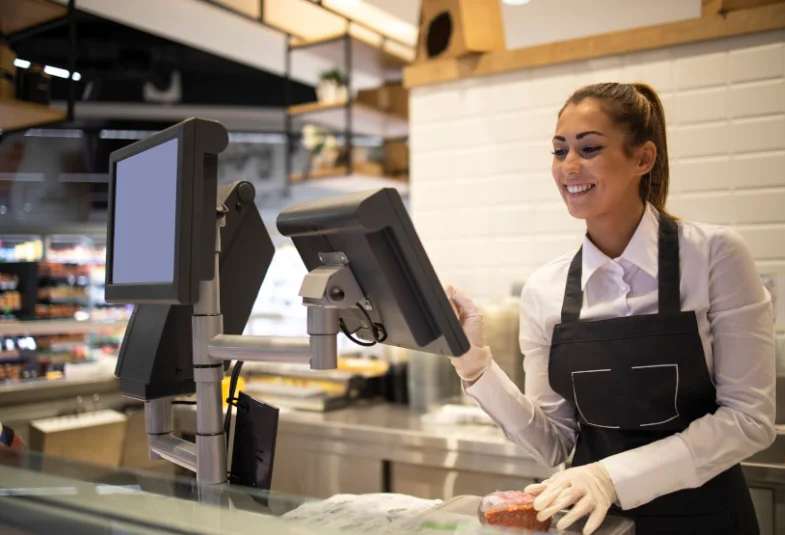
Implementing the Best Supplier Management Software can improve several areas of convenience store operations when the solution matches the business's actual requirements.
Better Supplier Organization
Organized supplier-related information makes it easier to manage purchasing activities and maintain visibility into product sourcing.
More Informed Purchasing Decisions
Connected purchasing and inventory information helps retailers understand stock requirements before arranging new purchases.
Improved Stock Availability
Stock tracking and reorder support can help store owners organize replenishment and reduce the risk of overlooking products that need attention.
Less Dependence on Manual Records
A centralized platform can reduce the need to maintain purchasing, supplier and inventory information across separate spreadsheets and notebooks.
Better Business Visibility
When purchasing, inventory, POS and accounting work together, owners can review more of their business operations from one place.
How to Choose the Best Supplier Management Software for Your Convenience Store
Before investing in the Best Supplier Management Software, evaluate your store's size, purchasing process and future business requirements.
Consider these factors:
Supplier Management: Check whether the software supports organized supplier-related activities.
Purchase Tracking: Make sure purchasing information can be managed systematically.
Inventory Integration: Look for a connection between purchasing and stock management.
Reorder Support: Evaluate whether the solution helps organize replenishment activities.
Multi-Outlet Capability: Consider branch-level and centralized management if you plan to expand.
Accounting and Reporting: Review whether the platform provides useful business and financial visibility.
Ease of Use: Choose a system that fits your team's daily workflow.
Product Demonstration: Request a demo to understand the actual features before making a decision.
The right Best Supplier Management Software should fit your current operations while supporting your future growth.
Simplify Purchasing, Suppliers and Inventory with Sellix
Sellix brings essential retail operations together in one platform, making it a solution worth exploring for convenience stores that want to organize purchasing and supplier management.
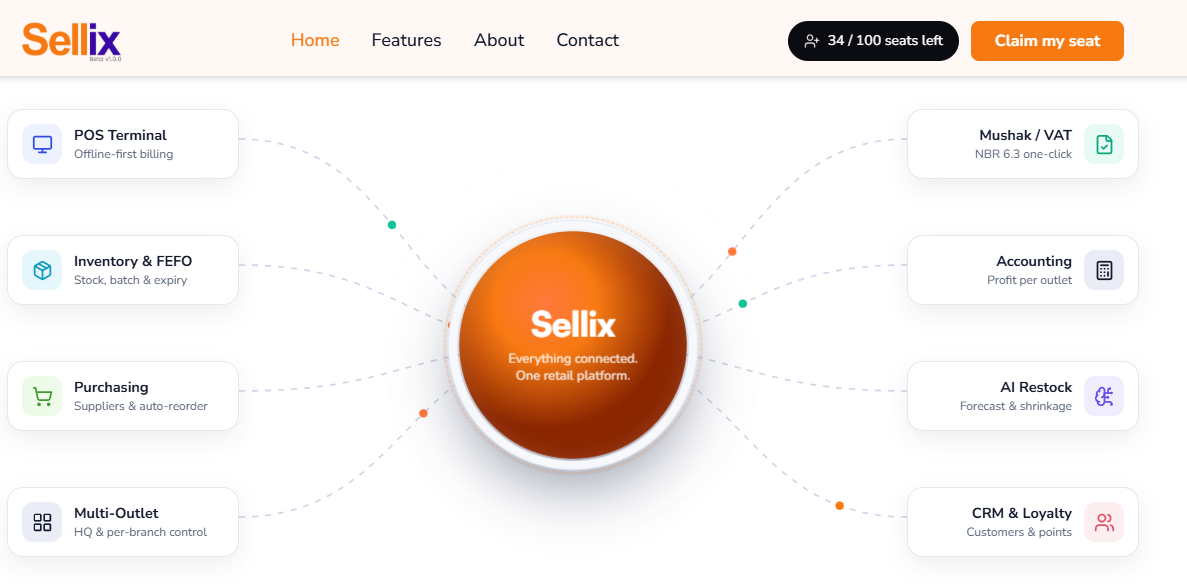
Key capabilities include:
Purchasing and supplier management.
Inventory and real-time stock tracking.
Batch and expiry management.
Auto-reorder support.
AI-assisted restock forecasting.
POS billing and barcode scanning.
Multi-outlet management.
Sales reports and accounting capabilities.
Instead of using separate systems for different activities, retailers can explore how Sellix connects purchasing, inventory, sales and business management.
Want to see how Sellix can support your convenience store? Visit Sellix by Taskco Digital and book a free demo to explore its features.
Organize Your Convenience Store Purchasing with Sellix
Managing suppliers and purchasing is an essential part of running a successful convenience store. When supplier information, purchase records and inventory data remain disconnected, retailers may struggle to maintain product availability and make informed purchasing decisions.
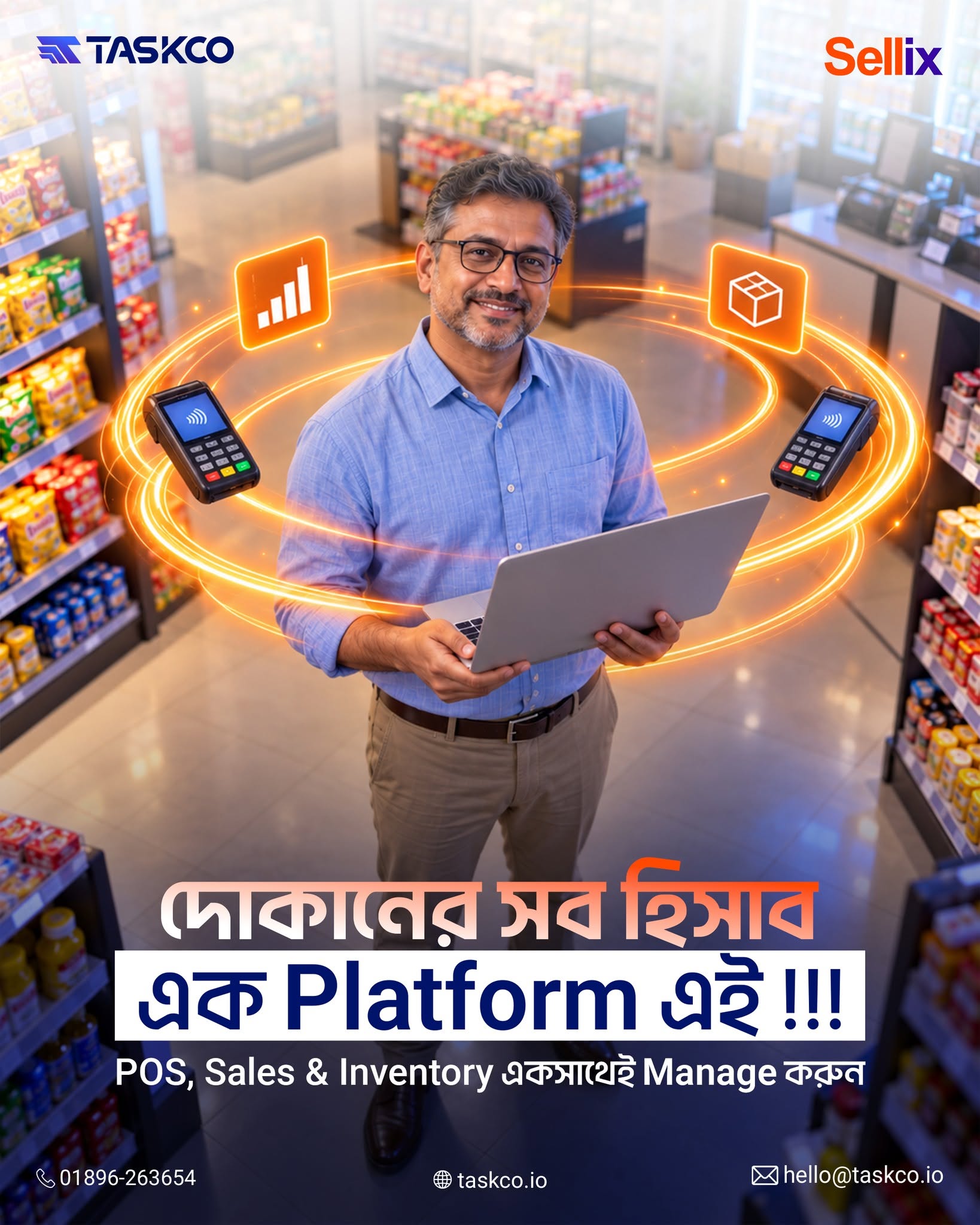
The Best Supplier Management Software should connect supplier-related activities with purchasing, inventory and business operations. It should help store owners organize replenishment, maintain stock visibility and reduce dependence on manual records.
Sellix by Taskco Digital brings purchasing, supplier management, inventory, POS, accounting and AI-assisted restock capabilities into one connected retail management platform.
Whether you operate a single convenience store or plan to expand into multiple outlets, Sellix can help you build a more organized retail operation.