Best Supplier Management Software for Building Materials Stores
Discover the best supplier management software for building materials stores. Manage suppliers, purchases and inventory with Sellix by Taskco Digital.
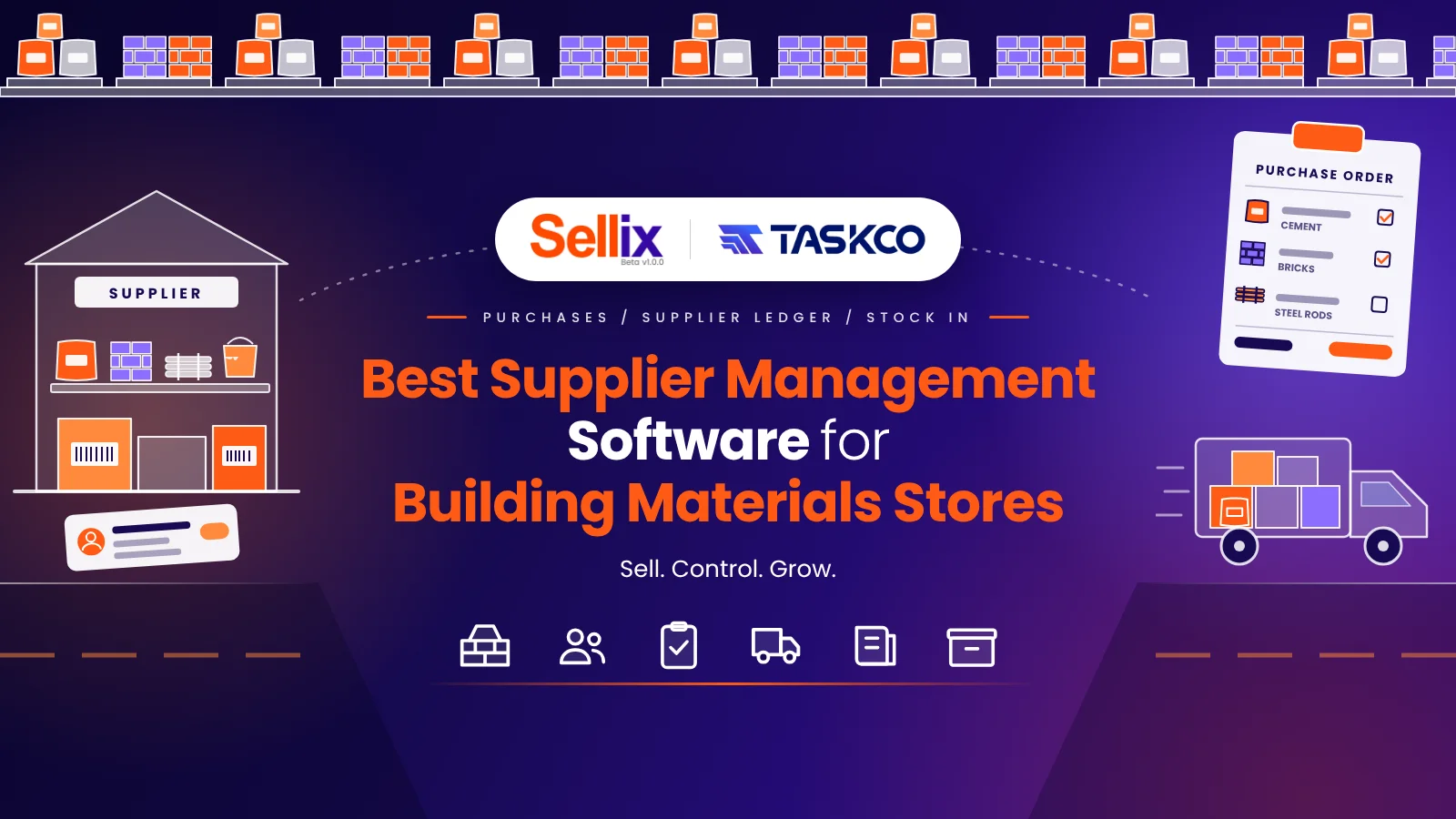
Managing a building materials store involves coordinating multiple suppliers, handling bulk purchases, tracking inventory and keeping every transaction organised. A retailer may purchase cement from one supplier, steel rods from another, and tiles, paint, sand, bricks or sanitary products from several distributors. Keeping supplier details, purchase records, stock levels and outstanding payments organised can become difficult as the business grows. The Best Supplier Management Software helps building materials retailers organise supplier information, manage purchases, monitor stock and maintain clearer records from one connected system.
For stores handling frequent purchases, bulk orders and changing product prices, choosing the Best Supplier Management Software can improve day-to-day control and reduce manual work.Sellix by Taskco Digital is an all-in-one retail management platform that connects POS billing, inventory, purchasing, supplier management, accounting and multi-outlet operations. It gives building materials businesses a more organised way to manage purchasing and sales instead of relying on separate notebooks, spreadsheets and disconnected tools.
Managing Suppliers More Efficiently in Building Materials Businesses
Building materials retail has its own operational challenges. Products may be purchased in bulk, prices can change frequently, and different suppliers may offer different rates, credit terms and delivery schedules. A store also needs to know what has been ordered, what has arrived, what remains in stock and how much is payable.

Without a structured process, purchase information can become scattered across invoices, phone messages, paper documents and spreadsheets. Staff may struggle to identify the latest supplier price or confirm whether an order has been received in full. This is why the Best Supplier Management Software is important for maintaining accurate purchasing records and supplier information.
A suitable system can help retailers:
Keep supplier contact details and business information organised.
Record purchases and review previous purchase transactions.
Track products received and update stock records.
Compare supplier prices and purchasing history.
Monitor outstanding supplier payments and purchase expenses.
Reduce duplicate data entry and avoid misplaced paperwork.
Review purchasing activity across one or multiple outlets.
For building materials retailers, the Best Supplier Management Software should connect supplier management with purchasing and inventory. Supplier information alone is not enough if purchase records and stock quantities are still maintained separately.
What Is Supplier Management Software?
Supplier management software is a digital system that helps a business store supplier information, organise purchasing activities and maintain records of transactions with vendors. Instead of keeping supplier names, phone numbers, product prices and purchase details in separate files, retailers can manage relevant information in a centralised system.

The Best Supplier Management Software supports a more consistent purchasing process. A retailer can maintain supplier records, record purchases, review transaction history and use the information to make better purchasing decisions. When supplier management is connected with inventory, the business can also keep track of stock received through purchases.
For example, a building materials shop may buy cement from multiple distributors. The owner needs to know which supplier provided each purchase, the quantity received, the purchase cost and the payment status. A digital system makes these records easier to organise and review.
Essential Features of the Best Supplier Management Software for Building Materials Stores
Not every supplier tool is designed for the needs of a retail business. Building materials stores should look for software that connects suppliers with purchasing, inventory and financial records. The following features are particularly useful when evaluating the Best Supplier Management Software.

1. Centralised Supplier Information
A retailer may work with suppliers for cement, steel, tiles, sanitary products, paint, electrical goods and hardware. Keeping each supplier's information organised helps staff find the right contact when placing an order or checking a previous transaction.
The Best Supplier Management Software should make it easier to maintain supplier names, contact details and relevant business information in one place. This reduces the need to search through notebooks or old messages whenever the store needs to contact a vendor.
2. Purchase Management and History
Purchase management is a key part of supplier operations. Retailers need to record what they ordered, which supplier provided it, the quantity purchased and the cost of the transaction. A searchable purchase history helps owners review previous orders and understand purchasing patterns.
With the Best Supplier Management Software, purchase records become easier to find and compare. Staff can refer to past transactions when preparing a new order, checking an invoice or reviewing a supplier relationship. This is especially helpful for stores that make frequent bulk purchases.
3. Inventory and Stock Updates
Purchasing and inventory should work together. When a store receives cement, rods, tiles or other materials, the stock record needs to reflect the received quantity. If purchase records and inventory are disconnected, the owner may have difficulty understanding the actual stock position.
The Best Supplier Management Software should connect purchasing with inventory management so retailers can maintain more consistent stock records. A connected retail platform can help the business review available stock and identify items that may need replenishment.
4. Purchase Cost and Supplier Comparison
Building materials prices can vary between suppliers and may change over time. Reviewing previous purchase costs helps retailers understand how prices have changed and evaluate available suppliers.
A system that keeps purchase history organised makes it easier to compare recorded costs and quantities. The Best Supplier Management Software should help owners use past purchasing information when planning future orders. Retailers should still confirm current quotations and terms directly with suppliers before making a purchase.
5. Payment and Accounting Records
Many building materials businesses purchase goods on cash, partial payment or agreed credit terms. Owners need visibility into how much they have paid and what remains outstanding. Poor recordkeeping can lead to confusion during payment follow-ups and financial reviews.
The Best Supplier Management Software should support organised purchase and payment records, or connect with the business's accounting process. This helps owners review purchase expenses and understand their financial commitments. The exact payment and accounting functions available will depend on the software selected.
6. Multi-Outlet Purchasing Visibility
Some retailers operate more than one store or warehouse. In that situation, the owner may need to review purchases and stock across different locations. Separate records can make it difficult to understand which outlet purchased an item or where stock is available.
For growing businesses, the Best Supplier Management Software should fit the retailer's outlet structure and provide a clearer view of purchasing operations. Multi-outlet management can help businesses coordinate activities while maintaining outlet-level visibility.
Common Supplier Management Problems in Building Materials Businesses
Understanding common challenges can help retailers identify what to improve before selecting the Best Supplier Management Software.

Unorganised Supplier Records
When supplier information is saved in different notebooks or mobile phones, staff may not have access to the same updated details. A central record helps the business maintain consistency and find supplier information more easily.
Difficulty Tracking Bulk Purchases
Building materials are often purchased in large quantities. If the order, received quantity and purchase cost are not recorded properly, it becomes harder to review transactions. A digital purchase history can make bulk purchasing records easier to check.
Unclear Stock Availability
A store may place a new order without having a reliable view of its existing inventory. This can lead to unnecessary purchases or delayed replenishment. Connecting purchase records with inventory helps retailers make decisions with better stock visibility.
Confusion About Outstanding Payments
When payment details are not updated consistently, owners may struggle to confirm what has already been paid and what is still due. Organised records make payment reviews more manageable.
Limited Visibility Across Branches
If each outlet maintains separate supplier and purchase records, head-office staff may need to collect information manually. A connected system can make it easier to review operations across locations.
These challenges show why the Best Supplier Management Software should support the complete retail workflow, not only store a list of supplier contacts.
Meet Sellix and How Sellix by Taskco Digital Helps Building Materials Stores
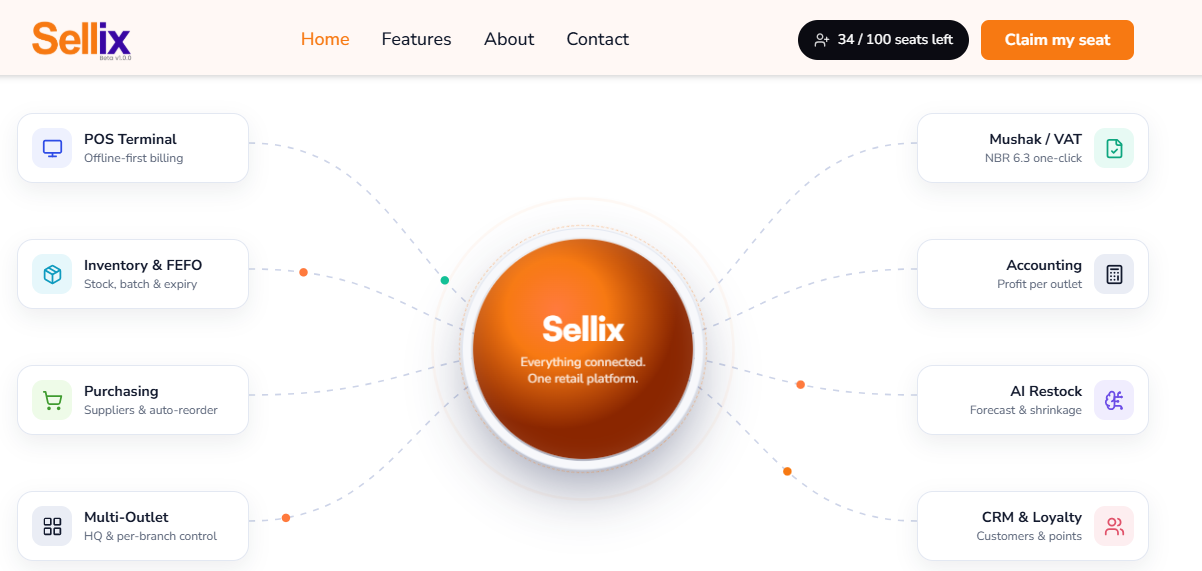
Sellix is an all-in-one retail management platform designed to connect key retail operations, including POS billing, inventory, purchasing, supplier management, accounting and multi-outlet management. For building materials stores, this connected approach can help reduce the separation between purchasing, stock control and sales records.
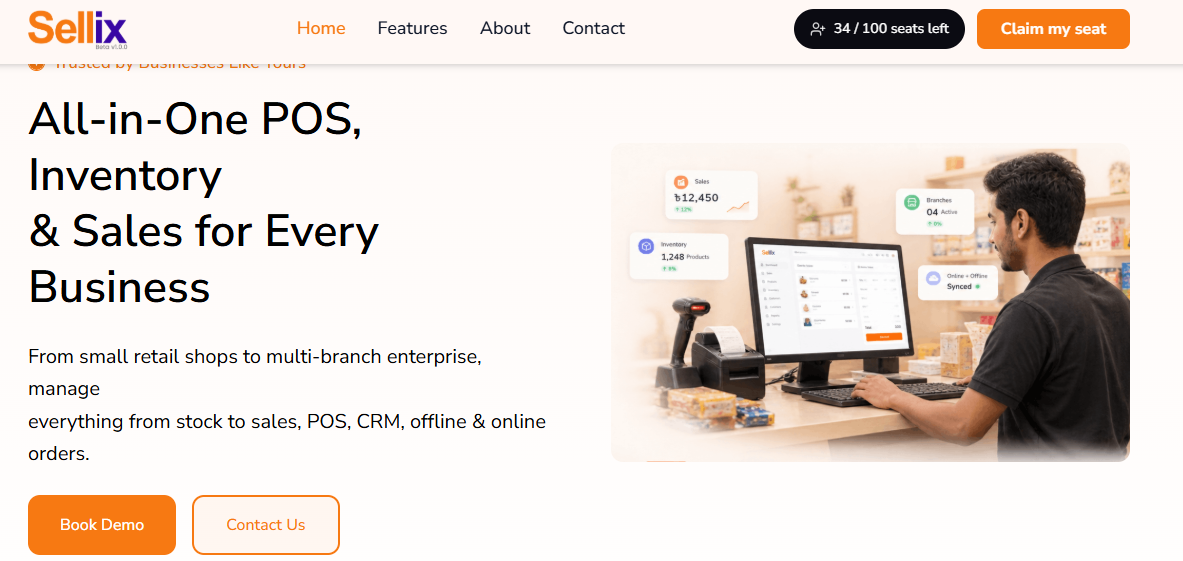
Rather than treating supplier information as an isolated task, Sellix supports a broader retail workflow. Retailers can manage product and inventory information, record purchasing activity, handle sales through POS and review business records through a connected platform. This makes Sellix a practical option for businesses looking for the Best Supplier Management Software as part of a wider retail management solution.
Manage Supplier and Purchase Information
Building materials retailers deal with different suppliers for different product categories. Organised supplier and purchasing information helps owners review transactions and refer to previous purchase records when planning new orders.
Sellix brings supplier management and purchasing into the wider retail management workflow. This can help a store maintain a more structured approach to vendor-related operations instead of depending entirely on scattered manual records.
Connect Purchasing with Inventory
A purchase affects the store's stock position. When retailers record purchases and manage inventory through a connected system, they can maintain better visibility into stock movement. This is important for products such as cement, rods, tiles, paint and hardware, where the owner needs to understand what is available before placing another order.
For retailers comparing the Best Supplier Management Software, the connection between purchasing and inventory should be an important consideration. Sellix combines purchasing and inventory management within its retail platform.
Manage Sales Through POS
Supplier management is only one part of a building materials business. The store also needs to process customer purchases and maintain sales records. Sellix includes POS and billing functionality, helping retailers manage sales alongside their other retail operations.
With sales and inventory managed through the same platform, businesses can work toward more consistent operational records and review their retail activity more easily.
Review Business Activity Across Outlets
For retailers with multiple branches, managing each location separately can create information gaps. Sellix includes multi-outlet management, helping businesses coordinate retail operations across locations. This can be useful when owners need a broader view of business activity while managing branch-level operations.
When evaluating the Best Supplier Management Software, building materials retailers should consider whether the solution can support their current store and future expansion plans.
Making the Right Choice: Selecting the Best Supplier Management Software
Before selecting software, building materials retailers should assess their daily workflow and business requirements. The Best Supplier Management Software should solve real operational problems and fit the way the store purchases, stores and sells products.
Consider these points:
Supplier records: Can you maintain supplier information in an organised and accessible way?
Purchase history: Can you record and review previous purchases, quantities and costs?
Inventory connection: Does the software connect purchasing with stock management?
Payment visibility: Can you maintain or review purchase payment records?
POS integration: Can the system support sales and billing as well as purchasing?
Multi-outlet support: Will it work if you operate multiple branches or warehouses?
Ease of use: Can owners and staff learn the system without making daily work complicated?
Business support: Is there a team available to help with setup, training and support?
The Best Supplier Management Software is not necessarily the one with the longest feature list. It is the one that fits your business process, keeps important records organised and supports the way your store operates.
Improving Purchasing Efficiency with Supplier Management Software
Using the Best Supplier Management Software can help building materials retailers create a more organised purchasing process. Some key benefits include:

Better supplier organisation: Keep supplier details and transaction records easier to access.
Improved purchase visibility: Review previous purchases and understand buying patterns.
More consistent stock records: Connect purchasing activities with inventory management.
Easier financial review: Keep purchase and payment information more organised.
Reduced manual work:Spend less time searching through separate documents and spreadsheets.
Support for business growth: Choose a system that can accommodate additional products, suppliers and outlets.
These benefits depend on how consistently the software is used and which features are included in the selected plan. Retailers should confirm the functions they need before adopting a solution.
Why Building Materials Retailers Should Consider Sellix
A building materials store needs more than a supplier contact list. It needs a way to connect purchasing, inventory, billing and business operations. Sellix by Taskco Digital brings these important retail functions together in one platform.
For businesses searching for the Best Supplier Management Software, Sellix offers a wider retail management approach by connecting supplier management with purchasing, inventory, POS billing, accounting and multi-outlet operations. This can help owners manage daily activities with more organised records and better visibility across the business.
Whether you operate a single building materials shop or manage multiple outlets, it is important to choose software that matches your business needs. Review your purchasing workflow, identify the records that are difficult to manage and select a platform that can support those requirements.
Streamline Your Building Materials Business with Smarter Management
Managing suppliers is an important part of running a successful building materials store. From cement and steel to tiles, paint, sanitary products and hardware, retailers need organised supplier information, reliable purchase records and clear stock visibility. The Best Supplier Management Software helps bring these activities into a more structured process and reduces dependence on scattered paperwork.

Sellix by Taskco Digital connects supplier management with purchasing, inventory, POS billing, accounting and multi-outlet operations. For building materials retailers looking to organise their business processes, it can be a useful platform to consider. Choose the Best Supplier Management Software based on your store's workflow, required features and future growth plans.