Best Store Software for Building Materials
Find the right store software for building materials businesses. Explore POS, inventory, purchasing, supplier and multi-outlet management features.
Best Store Software for Building Materials
Running a building materials store involves much more than selling products at a counter. From cement, paint and tiles to electrical fittings, plumbing supplies, tools and hardware, retailers often manage a wide variety of products, suppliers, prices and stock quantities.
As a business grows, keeping everything organised through notebooks, spreadsheets and separate billing tools becomes increasingly difficult. Owners need to know which products are available, what needs to be reordered, how much customers owe and which products are generating profit.
This is why choosing the right store software for building materials is an important business decision. A suitable platform can connect billing, purchasing, supplier records, inventory, customer accounts and business reporting.
For building materials retailers in Bangladesh looking for connected retail operations, Sellix by Taskco Digital is a strong option to consider. It combines POS billing, inventory, purchasing, accounting, VAT-related records and multi-outlet management in one platform.
This article explores the essential features, selection criteria and software capabilities building materials retailers should evaluate before making a decision.
Why Store Software for Building Materials Is Important
Building materials shops often deal with hundreds or thousands of product items. Different brands, sizes, categories and purchasing costs make it difficult to maintain accurate records manually.
For example, a hardware shop may sell electrical switches, pipes, paint, screws, tools and construction accessories. Each category has different suppliers, prices and stock requirements. Without connected records, employees may struggle to identify available quantities or provide accurate information to customers.
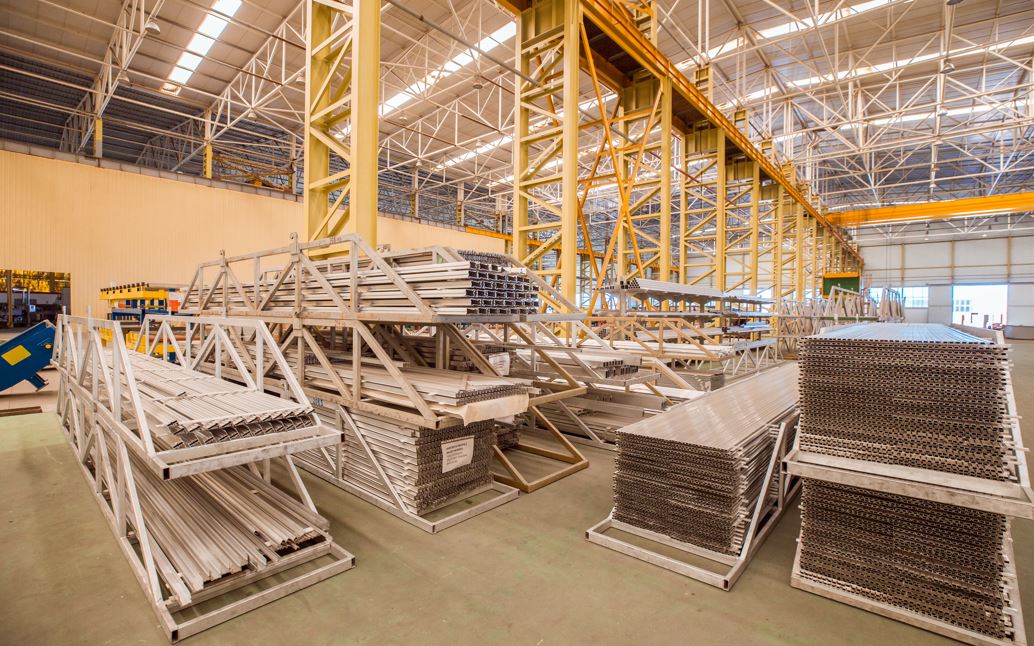
Here are some common challenges that make store software for building materials valuable.
1. Managing Large Product Catalogues with Store Software for Building Materials
A building materials store may carry products from multiple brands and categories. Finding an item, checking its price and confirming its available quantity can take time when records are maintained manually.
A central product catalogue helps employees search for products and maintain more organised sales records. Barcode identification can also make product selection faster during billing.
2. Maintaining Accurate Inventory with Store Software for Building Materials
Stock discrepancies can happen when purchases, sales, damaged products and returns are recorded separately. Owners may believe an item is available when the actual quantity is different.
Using store software for building materials helps connect sales and inventory records, making stock information easier to monitor. Retailers can review stock movements and identify products that need attention.
3. Controlling Purchasing and Supplier Records
Retailers regularly purchase products from different suppliers. Without organised purchasing records, it becomes difficult to review previous purchases, received quantities, outstanding supplier payments and product costs.
A connected purchasing system helps keep these records organised and gives owners better visibility into supplier-related transactions.
4. Tracking Customer Credit and Outstanding Payments
Some building materials shops sell products on credit to regular customers and contractors. When dues are recorded in notebooks, tracking outstanding balances and payment history becomes difficult.
A suitable system should provide customer statements, payment records and credit controls to help retailers manage these transactions.
5. Understanding Actual Business Profit
High sales do not always mean high profit. Product costs, discounts, purchasing expenses and stock losses can affect profitability.
Connected business records help owners understand sales and costs more clearly, allowing them to make better purchasing and pricing decisions.
Best Store Software for Building Materials in Bangladesh: Sellix by Taskco Digital
Sellix by Taskco Digital is an AI-driven retail business operating platform designed for shops, showrooms, supershops and growing retail chains in Bangladesh.
It brings multiple business operations together, including POS billing, inventory, purchasing, supplier management, accounting, VAT/Mushak, customer records and workforce management.
For building materials retailers, Sellix can support the general retail workflows involved in selling products, managing stock, recording purchases and monitoring business performance.
Rather than using separate tools for billing, stock and accounting, retailers can manage these operations through one connected platform.
Key Features of Sellix Store Software for Building Materials
1. POS Billing and Sales Management
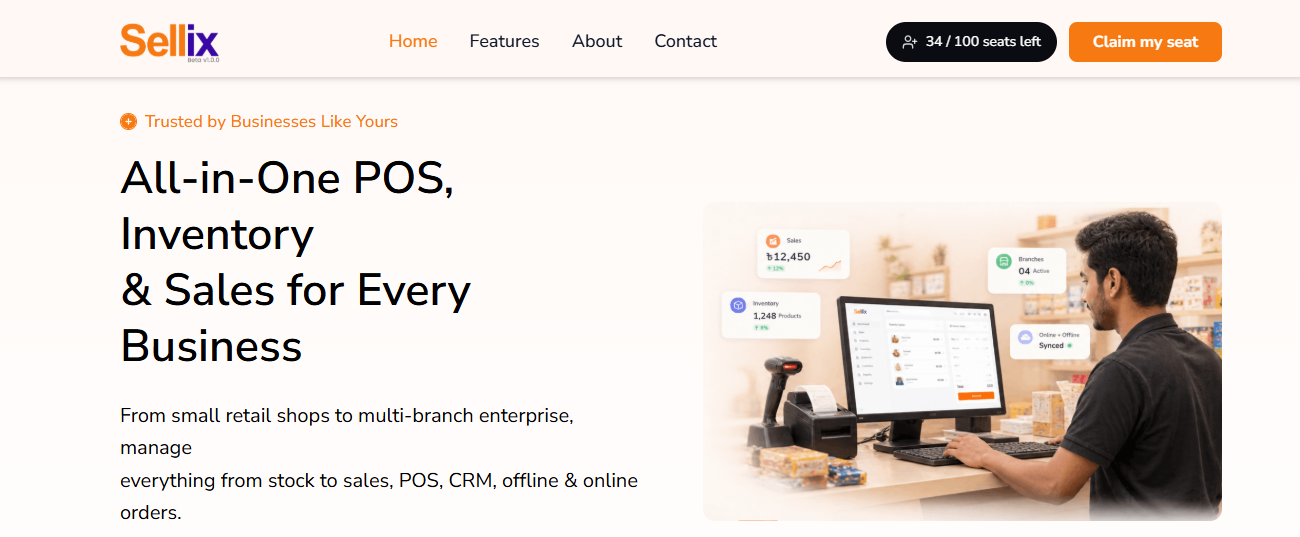
Sellix provides a fast, keyboard-first POS experience with barcode and multi-barcode scanning, hold and park sales, split payments and counter returns.
For a building materials shop, barcode-based product selection can help employees identify products faster and reduce manual billing errors.
Its offline-first POS also allows sales to continue during internet interruptions. Transactions are queued and synchronised when connectivity returns, with variance review as part of the process.
2. Centralised Inventory Management
Sellix connects sales and inventory records, helping retailers monitor stock movements and product availability.
Retailers can manage product records, purchases, stock adjustments and supplier-related activities from one platform. Low-stock alerts and AI-based forecasting can also support purchasing decisions.
3. Purchasing and Supplier Management
Sellix supports purchase workflows, partial receiving, RFQs, supplier ledgers and accounts payable ageing.
These capabilities help retailers maintain more organised supplier and purchasing records. Owners can review supplier-related information and monitor outstanding payables instead of depending entirely on separate notebooks or spreadsheets.
4. Customer Credit Management
Building materials retailers that offer credit sales need a reliable way to track customer balances.
Sellix's Baki Khata supports customer credit limits, credit periods, statements, ageing and reminders. Credit limits and days can be enforced at the till.
This helps retailers maintain better visibility over customer dues and reduce confusion around outstanding payments.
5. Multi-Outlet Stock Management
For retailers operating several showrooms or branches, Sellix provides branch-level stock visibility, outlet-based permissions and stock transfers with in-transit tracking.
Owners can review operations across outlets and manage stock movement through a connected platform.
6. Accounting and VAT-Related Records
Sellix connects retail transactions with accounting records. Depending on the subscription plan, its capabilities include general ledger, accounts receivable and payable, trial balance, financial statements and Mushak-related records.
This can help retailers organise financial information and reduce the need to rebuild records manually at month-end.
7. Business Reports and AI Insights
Sellix provides profit information at product and order level, AI-based stock forecasting, Daily Briefing and Bangla/English Ask AI capabilities.
These tools can help owners review business performance, identify stock requirements and make more informed decisions.
Important: Sellix's published product profile does not confirm specialised building-material workflows such as selling by metre, square feet, cubic metre or weight conversion, yard dispatch management, or contractor project costing. Businesses that require these functions should verify their availability before selecting a system.
Essential Features to Look for in Store Software for Building Materials
Not every retail platform offers the same capabilities. Before choosing store software for building materials, evaluate the features according to your product categories and daily business operations.

Product Catalogue and Barcode Management
A suitable system should make it easy to create product records, organise categories, maintain prices and identify items through barcode scanning.
This is especially useful for stores carrying many hardware and construction-related products. Employees can search for items and select the correct product during checkout.
Inventory and Stock Movement Tracking
Look for stock records that update with sales, purchases, returns and adjustments. If you operate multiple outlets, check whether the platform supports branch-level stock visibility and transfers.
Accurate records help owners understand product availability and identify stock that needs replenishment.
Purchasing and Supplier Management
The system should help you record supplier details, purchase transactions, received quantities and outstanding payables.
These capabilities make purchasing decisions more organised and help retailers maintain a clearer record of product costs.
Customer Credit and Payment Tracking
If your business provides credit to regular customers, check whether the software can record outstanding balances, payment history, credit limits and customer statements.
This is particularly useful when customers make payments in multiple instalments or purchase products regularly.
Sales and Profit Reporting
A good platform should provide more than daily sales totals. Look for product-level performance, outlet-wise reports, costs and profit insights.
These reports can help owners identify which products contribute to business performance and where operational improvements may be needed.
Offline Billing and Data Synchronisation
Internet interruptions can affect counter operations. Consider software that allows billing to continue offline and provides a controlled process for synchronising transactions later.
This can help reduce disruption during busy business hours.
How to Choose Store Software for Building Materials
Selecting store software for building materials requires more than comparing feature lists. You should evaluate the software against your actual business processes.
Understand your product categories. List the products you sell and identify whether they require standard product records, barcode identification, variants or specialised measurement units.
Review your billing process. Test how quickly employees can find products, scan barcodes, apply discounts and complete transactions.
Check purchasing workflows. Ask the provider to demonstrate purchase recording, partial receiving, supplier records and payable tracking.
Evaluate customer credit requirements. If you regularly sell on credit, check how the system records dues, payment history and credit limits.
Consider business expansion. If you plan to open additional outlets, look for branch-level stock visibility, stock transfers and centralised reporting.
Ask for a live demonstration. Use your own product examples and typical transactions during the demo. This will help you understand whether the software fits your daily operations.
A practical demonstration is often more valuable than choosing a platform based only on promotional claims. Before making a final decision, confirm that all essential features are available in the subscription plan you intend to purchase.
Why Choose Sellix as Your Store Software for Building Materials?
Choosing the right store software for building materials can help your business move away from disconnected records and manual processes.
Sellix offers several capabilities that make it worth considering for building materials retail businesses:
Connected Retail Operations: Manage POS, inventory, purchasing, suppliers, customers and accounting through one platform.
Fast Billing: Use barcode scanning, keyboard-first billing and split payments for counter operations.
Offline-First POS: Continue selling during internet interruptions and synchronise queued transactions later.
Purchasing Control: Maintain purchase records, partial receiving, supplier ledgers and payable ageing.
Customer Credit Tracking: Manage customer credit limits, balances, statements and reminders through Baki Khata.
Multi-Outlet Visibility: Monitor branch-level stock and manage transfers between outlets.
Business Intelligence: Review product and order profitability, stock forecasts and business insights.
Bangladesh-Ready Records: Work with local payment recording and Mushak-related accounting workflows.
Sellix is designed to grow with retail businesses. Retailers can start with a single outlet and expand their operations without shifting to a completely separate platform as their business develops.
However, if your business operates primarily as a large building materials distributor, manufacturer or wholesale supply chain, you should evaluate a dedicated distribution or supply-chain platform. Sellix is positioned for retail shops and showrooms rather than specialised distribution operations.
Get Started with Sellix by Taskco Digital
If you want to manage your building materials store through one connected platform, explore Sellix and see how its features fit your business.
Website: https://taskco.io/sellix/
Contact: +880 1896-263654