Best POS Software for Building Materials Industry 2027
Explore the best POS software for building materials industry in 2027. Manage sales, stock, purchases and suppliers with Sellix.
-6afac4e497ae6.webp)
The Best POS Software for Building Materials Industry can help retailers manage daily sales, monitor stock levels, control purchasing and maintain better supplier records from one platform. Building materials businesses deal with a wide range of products, including cement, steel rods, bricks, tiles, sand, paint, plumbing materials and hardware accessories.
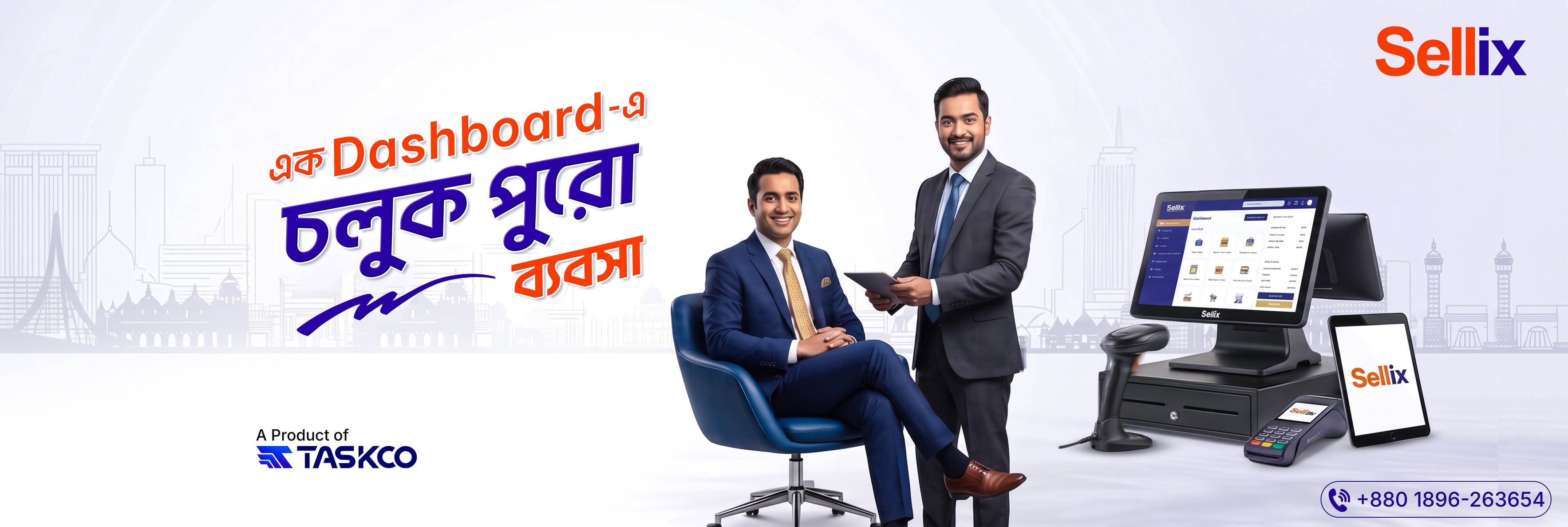
Managing these products manually can lead to stock mismatches, billing errors, delayed purchases and unclear profit records. In 2027, choosing the Best POS Software for Building Materials Industry is becoming increasingly important for building materials retailers who want to improve operational efficiency and business control. For retailers managing hundreds or thousands of products, a modern POS system can simplify daily operations. Instead of depending on separate tools for billing, inventory and purchasing, businesses can connect essential activities through one system. Sellix by Taskco Digital offers an integrated platform designed to help retail businesses manage sales, inventory, purchasing, suppliers and multiple outlets.
Why Do Building Materials Businesses Need POS Software in 2027?
Building materials retailers often handle high-volume transactions, different product categories and frequent stock movements. A shop may sell cement by the bag, rods by weight or length, tiles by the box and hardware items individually. Keeping track of these products through notebooks or spreadsheets can become difficult as the business grows.

The Best POS Software for Building Materials Industry helps reduce manual work by connecting billing, stock records and purchasing activities. Retailers can access more organised business information and make decisions based on updated records.
Here are some common challenges a POS system can help address:
Stock management difficulties: Manual records make it harder to identify current stock levels and product shortages.
Billing delays: Calculating large orders manually can slow down checkout and increase the possibility of mistakes.
Unorganised supplier records: Managing purchase history, supplier information and product costs separately can create confusion.
Unclear profitability: Without organised sales and expense records, understanding business performance becomes challenging.
Multiple outlet management: Owners may struggle to monitor sales and stock across different branches.
Purchase planning problems: Without reliable stock information, retailers may overstock slow-moving products or run short of popular items.
Choosing the Best POS Software for Building Materials Industry helps to bring these activities into a more organised workflow.
What Is POS Software for the Building Materials Industry?
POS software, or Point of Sale software, is a digital system that helps businesses process sales, generate bills and maintain transaction records. Modern POS solutions can also connect sales with inventory, purchasing, supplier information and business reporting.

For building materials retailers, the Best POS Software for Building Materials Industry should support more than basic billing. It should help businesses manage different product categories, track stock movement, record purchases and understand sales performance.
For example, when a customer purchases cement, paint and hardware accessories, the cashier can process the transaction through the POS system. The software records the sale and updates the relevant stock information according to the system's configuration.
This creates a more connected process between the sales counter and inventory records. Business owners can spend less time maintaining separate records and more time managing customers and business growth.
Essential Features of the Best POS Software for Building Materials Industry
Not every POS system is suitable for building materials retail businesses. Before choosing one, retailers should understand which features can improve their daily operations.

1. Fast POS Billing and Sales Management
A busy building materials shop may handle multiple customers and large orders throughout the day. Slow billing can create queues and affect customer satisfaction.
The Best POS Software for Building Materials Industry should provide a simple billing interface that helps cashiers add products, calculate order totals and generate invoices efficiently.
Useful billing capabilities include:
Quick product search and selection
Barcode scanning where applicable
Clear invoice generation
Multiple payment methods
Sales transaction history
Easy access to previous sales records
Fast billing helps retailers serve customers more efficiently while maintaining organised sales information.
2. Real-Time Inventory Management
Inventory is one of the most important parts of a building materials business. Retailers need to know how much cement, steel, paint, tiles and other products are available.
The Best POS Software for Building Materials Industry should connect sales transactions with stock records. When a product is sold, the corresponding inventory information should be updated according to the configured workflow.
An inventory management system can help retailers:
Monitor available stock
Identify low-stock products
Review stock movement
Maintain organised product records
Reduce stock mismatches
Plan replenishment more effectively
This is particularly useful for businesses managing a large product catalogue.
3. Purchase and Supplier Management
Building materials retailers regularly purchase products from manufacturers, distributors and wholesalers. Managing supplier information and purchase records is essential for maintaining a consistent supply.
The Best POS Software for Building Materials Industry should help retailers organise supplier details, purchase transactions and purchasing history.
With purchase and supplier management, businesses can:
Maintain supplier records
Record product purchases
Review purchase history
Monitor purchasing costs
Organise supplier-related information
Make better purchasing decisions
Having sales, stock and purchasing information connected can help business owners understand which products need replenishment.
4. Multi-Outlet Management
Many building materials businesses operate more than one shop, warehouse or branch. Monitoring every location manually can become difficult.
The Best POS Software for Building Materials Industry should provide multi-outlet management capabilities so owners can maintain better visibility across their business locations.
Depending on the system's configuration, retailers can use centralised management to monitor branch-level operations, review sales performance and maintain more organised stock records.
This helps business owners manage growing operations without depending entirely on separate spreadsheets or manual reports.
5. Sales Reports and Accounting
Knowing total sales is not enough to understand business performance. Retailers also need organised records to review revenue, costs and profitability.
The Best POS Software for Building Materials Industry should provide useful sales reports and accounting-related information that supports business decisions.
Retailers should look for reporting capabilities such as:
Daily, weekly and monthly sales reports
Product-wise sales information
Purchase records
Payment summaries
Profit and business performance insights
Outlet-level reporting
Accurate and organised records help owners identify business trends and evaluate which products contribute most to sales.
6. VAT and Tax Management
Building materials retailers need to maintain proper transaction and VAT-related records according to their business requirements. Handling these records manually can increase administrative work.
A POS solution with VAT-related functionality can help organise sales transactions and relevant records. Before selecting software, retailers should confirm whether its VAT features match their specific business and reporting requirements.
7. Offline Billing and Data Synchronisation
Internet connectivity may not always be reliable, particularly in busy commercial areas or warehouse locations. A POS system with offline billing capabilities can help reduce interruptions during sales operations.
The Best POS Software for Building Materials Industry should be evaluated for its ability to continue essential billing activities during connectivity interruptions and synchronise data when the connection returns.
Retailers should confirm exactly which operations remain available offline and how data synchronisation works before purchasing a system.
Discover Sellix and How Sellix Connects Sales, Inventory and Purchasing?
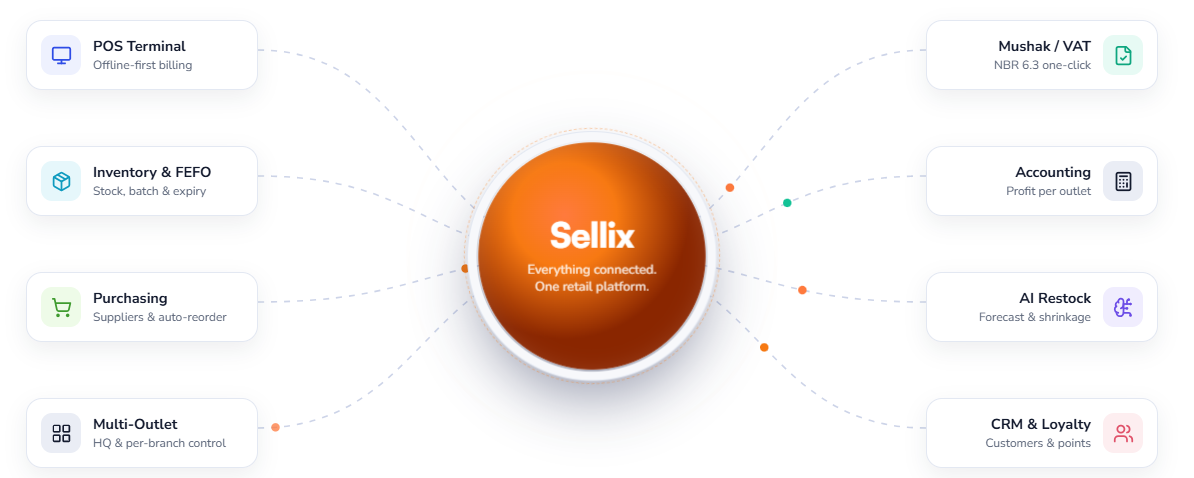
Sellix is an AI-driven retail business management platform developed by Taskco Digital. It connects essential retail operations, including POS billing, inventory management, purchasing, supplier management, accounting, VAT-related features and multi-outlet operations.
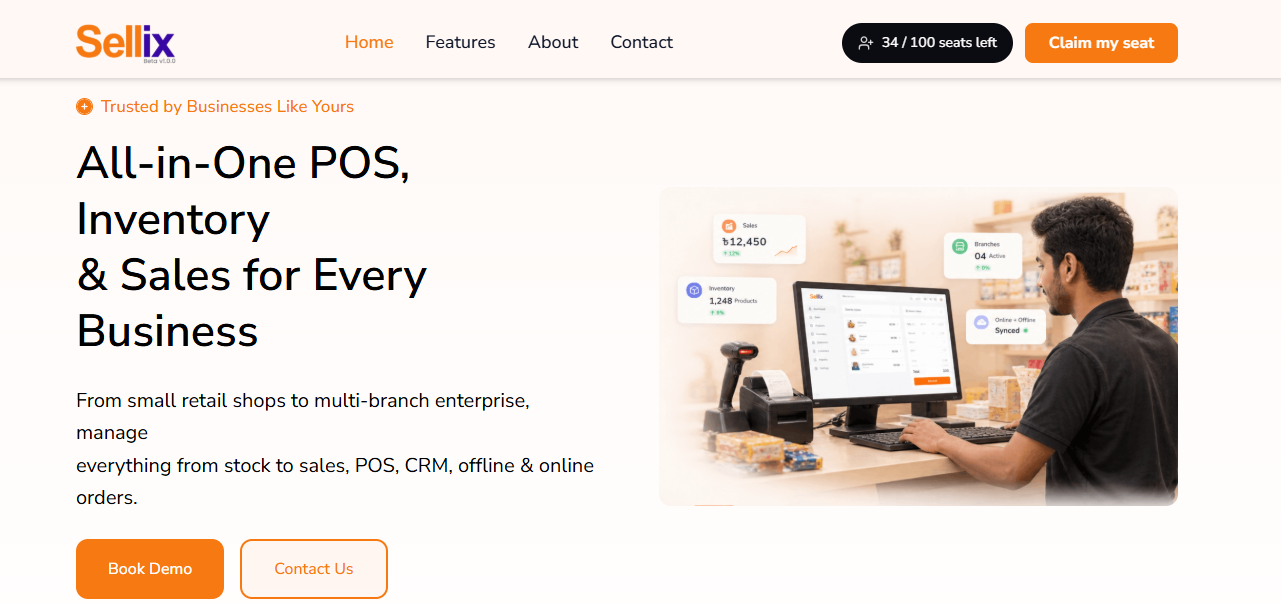
For building materials retailers, Sellix can provide a centralised way to manage important shop activities instead of maintaining separate records for every operation.
The Best POS Software for Building Materials Industry should simplify everyday workflows, and Sellix supports this through connected business management features.
How Sellix Supports Daily Operations
Step 1: Organise Products and Inventory
Retailers can maintain product information and manage inventory records through a centralised system. This helps organise different product categories and monitor stock information.
Step 2: Process Customer Sales
Cashiers the Best POS Software for Building Materials Industry to record transactions and generate bills. Sellix also supports barcode-based product handling where applicable.
Step 3: Connect Sales with Stock Records
Sales and inventory management work together to help retailers maintain updated stock information based on recorded transactions.
Step 4: Manage Purchases and Suppliers
Retailers can organise supplier information and record purchases, making it easier to review purchasing activities and stock replenishment.
Step 5: Review Business Performance
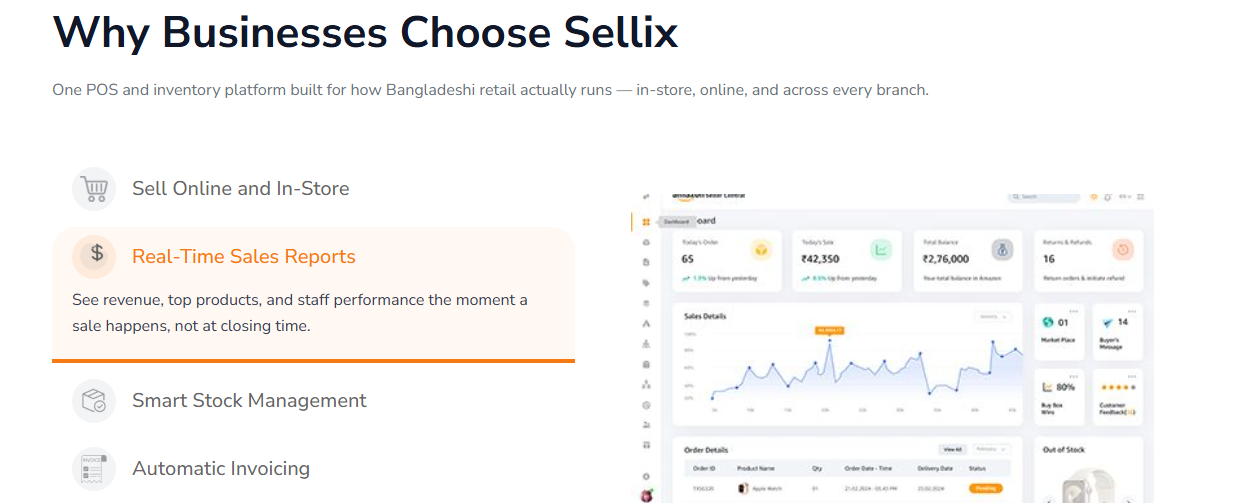
Sales reports and accounting-related features help business owners understand transactions and monitor business performance.
Step 6: Manage Multiple Outlets
Businesses with multiple locations can use Sellix's multi-outlet management capabilities to maintain better operational visibility.
How Building Materials Retailers Can Benefit from Sellix
Different building materials businesses have different operational requirements. A hardware shop may manage thousands of small products, while a cement and rod retailer may handle larger-volume transactions.
The Best POS Software for Building Materials Industry should help businesses organise their operations according to their product categories and sales processes.
Here are some examples of how building materials retailers can benefit from a connected retail management platform:
Cement and Rod Shops
These businesses need organised product, purchase and sales records. POS billing and inventory management can help retailers monitor transactions and maintain better stock visibility.
Tiles and Sanitaryware Shops
Retailers selling tiles, bathroom fittings and sanitaryware often manage multiple product designs and variations. Product catalogue management can help organise product information and sales records.
Paint and Hardware Stores
These shops usually handle many product types, brands and sizes. Inventory management and barcode-supported billing can help make product handling and checkout more organised.
Plumbing and Electrical Material Shops
These retailers manage a broad range of accessories and components. A structured product catalogue and connected sales records can make everyday operations easier to monitor.
Essential Considerations When Selecting Building Materials POS Software
Before selecting the Best POS Software for Building Materials Industry, consider the following points:

Understand your product requirements: Check whether the software can manage your product categories, sizes, variants and units.
Evaluate billing capabilities: Confirm that the POS supports your usual sales process and invoice requirements.
Check inventory functionality: Make sure stock records update correctly after sales and purchases.
Review supplier management: Look for organised supplier records and purchase history.
Check reporting features: Ensure that the system provides useful sales and business reports.
Consider multiple outlets: If you operate several branches, check whether the software supports centralised management.
Ask about offline functionality: Confirm which features work without an internet connection.
Request a product demonstration: Test the system using your actual products and typical transactions.
One important consideration for this industry is measurement and unit handling. Businesses selling products by kilogram, ton, cubic feet, length, bag or box may require specific unit conversions, decimal quantities or weight-based billing. Retailers should confirm these requirements directly during a software demonstration rather than assume every POS system supports them.
Empower Your Building Materials Business with Sellix
Sellix by Taskco Digital is designed to bring important retail operations together through one platform. Instead of managing billing, inventory, purchases and business records separately, retailers can organise these activities through connected features.
The Best POS Software for Building Materials Industry should help business owners maintain control as their operations grow. Sellix offers several capabilities that can support this goal:
POS and Fast Billing: Manage customer transactions through an organised billing system.
Inventory Management: Monitor product records and stock information.
Purchase and Supplier Management: Maintain organised purchasing and supplier records.
Sales Reports and Accounting: Review business transactions and performance.
Multi-Outlet Management: Manage operations across multiple business locations.
AI Restock Insights: Use AI-driven stock insights to support replenishment decisions.
Offline-First Billing: Continue supported billing activities during internet interruptions.
However, retailers should book a demo and verify industry-specific requirements such as weight-based sales, unit conversions, delivery workflows and project-based quotations before making a final decision.
The Future of Building Materials Retail Management
Choosing the Best POS Software for Building Materials Industry is about more than speeding up billing. Retailers need a reliable way to organise inventory, manage purchases, maintain supplier records and understand business performance. A connected POS and retail management platform can reduce manual work and improve operational visibility.
Sellix by Taskco Digital brings POS billing, inventory, purchasing, supplier management, reporting and multi-outlet capabilities together in one platform. For building materials retailers planning to modernise their operations in 2027, exploring Sellix through a product demonstration can be a useful next step.