Best Inventory Management Software for Fashion Businesses 2027
Explore inventory management software for fashion businesses in 2027. Manage variants, stock, purchases and outlets with Sellix.
Running a fashion business means managing much more than selling clothes, shoes or accessories. A single clothing design may have multiple sizes, colours and variations, while seasonal collections, changing customer preferences and fast-moving trends make stock management more challenging. Choosing the Best Inventory Management Software can help fashion retailers maintain accurate stock records, monitor product availability and make better purchasing decisions. Instead of relying on spreadsheets or manual stock registers, businesses can use a connected system to manage products, sales, purchases and inventory from one place.

For fashion retailers in Bangladesh, inventory problems can directly affect sales and profitability. A customer may visit a store looking for a specific size, only to discover that the product is unavailable. Meanwhile, other sizes or designs may remain unsold in storage. These situations highlight why the Best Inventory Management Software is an important part of modern fashion retail operations.
In this guide, we will explore the essential features fashion businesses should look for, how inventory software improves daily operations and how Sellix by Taskco Digital can help retailers manage their business more efficiently.
Why Do Fashion Businesses Need the Best Inventory Management Software?
Fashion inventory is different from many other retail categories. Retailers must manage product collections, sizes, colours, designs, categories and seasonal demand. Tracking everything manually becomes difficult as the number of products increases.

The Best Inventory Management Software helps fashion businesses maintain organized product records and understand what is available, what is selling and what needs attention.
Here are some common challenges fashion retailers face:
1. Managing Multiple Sizes and Colours
A single shirt, dress or pair of trousers can have several sizes and colours. Without organized product variant management, employees may struggle to identify the exact item available in stock.
2. Stock Mismatch and Inaccurate Records
Manual updates can create differences between actual stock and recorded stock. This can lead to overselling, missed sales and unnecessary purchases.
3. Seasonal Collection Management
Fashion demand changes throughout the year. Eid collections, winter clothing, summer wear and special occasion products may sell at different rates. Retailers need clear stock information to make timely decisions.
4. Managing Multiple Outlets
Fashion brands with several showrooms need to monitor inventory across different locations. Without centralized visibility, one branch may have excess stock while another faces shortages.
5. Identifying Slow-Moving Products
Some designs sell quickly, while others remain in storage for months. The Best Inventory Management Software can help retailers review product performance and make more informed decisions about purchasing and stock movement.
What Is the Best Inventory Management Software for Fashion Businesses?
The Best Inventory Management Software is a digital platform that helps businesses organize products, track stock movement, manage purchases and monitor inventory-related activities.
For fashion businesses, it should support more than basic stock counting. It should help retailers manage product variations, connect sales with inventory records, monitor multiple locations and understand product performance.
A suitable fashion inventory system should include:
Product and variant management.
Real-time inventory tracking.
Barcode-based billing.
Purchase and supplier management.
Stock visibility across outlets.
Sales and inventory reports.
Restocking support.
Integration between in-store and online operations, where supported.
The goal is to create a connected workflow where every important inventory activity is easier to monitor. The Best Inventory Management Software should also be simple enough for employees to use during everyday retail operations.
10 Essential Features of the Best Inventory Management Software for Fashion Retailers
Before choosing a system, fashion retailers should understand which features can make the biggest difference in their operations.

1. Product and Variant Management
Fashion products frequently come in different sizes, colours and designs. A good inventory platform should help retailers organize product information and manage available variants.
For example, a retailer selling a particular shirt may need to manage small, medium and large sizes in black, white and blue. Organized variant records make it easier to understand which options are available.
The Best Inventory Management Software should make product organization straightforward and reduce confusion during sales and stock checking.
2. Real-Time Inventory Tracking
Every sale and stock movement affects inventory. When stock information is updated consistently, retailers can make better decisions about product availability.
Real-time inventory visibility helps businesses:
Check available stock.
Identify products that need replenishment.
Monitor stock movement.
Reduce dependence on manual registers.
Maintain better inventory records.
The Best Inventory Management Software should connect inventory information with daily sales activities instead of requiring employees to update separate records.
3. Barcode Scanning and Fast POS Billing
Fashion stores often manage hundreds or thousands of individual products. Searching for every item manually can slow down checkout.
Barcode scanning helps employees identify products faster and process customer purchases through a POS system. It also supports more organized billing and transaction records.
For fashion retailers, the Best Inventory Management Software should work alongside a reliable POS solution so sales and stock management remain connected.
4. Purchase and Supplier Management
Managing suppliers and purchasing is essential for maintaining product availability. Retailers need to understand what they purchase, where they purchase it from and when they should replenish stock.
A connected system can help organize purchase records, supplier information and replenishment activities.
The Best Inventory Management Software should support purchasing workflows so retailers can make stock-related decisions using organized business information.
5. Multi-Outlet Inventory Management
Fashion businesses often expand from one showroom to multiple branches. As the business grows, monitoring stock separately at every location becomes more difficult.
A centralized platform helps business owners maintain visibility across branches and warehouses. It can support better coordination between head office and individual outlets.
The Best Inventory Management Software should help retailers understand stock availability across locations and monitor business performance more efficiently.
6. Sales and Product Performance Reports
Not every fashion product performs equally. Some designs become popular quickly, while others generate limited sales.
Sales reports can help retailers understand product performance, revenue and outlet-wise activity. This information supports more informed decisions about future collections and purchasing.
7. Low-Stock Monitoring and Restocking Support
Running out of popular products can result in missed sales opportunities. At the same time, purchasing too much slow-moving stock can tie up business capital.
Inventory monitoring and AI-assisted restock capabilities can help retailers identify replenishment needs and plan purchases more effectively.
8. Online and In-Store Inventory Synchronization
Many fashion businesses sell through physical showrooms as well as online channels. Managing separate stock records can create confusion and increase manual work.
A connected product catalogue and online store synchronization can help maintain more consistent product and inventory information across supported channels.
9. Customer Management and Loyalty
Fashion retailers often depend on repeat customers. Maintaining customer records and supporting loyalty activities can help businesses build stronger customer relationships.
A retail platform with CRM and loyalty capabilities can connect customer engagement with daily sales operations.
10. Reliable Billing During Internet Disruptions
Internet connectivity can sometimes become unreliable. If billing stops during an outage, customers may have to wait and sales operations can be interrupted.
Offline-first billing helps retailers continue supported checkout activities during connectivity disruptions. This is an important consideration when selecting the Best Inventory Management Software for a fashion business.
Meet Sellix: Smarter Inventory Management for Fashion Businesses
Sellix is an AI-driven retail management and POS platform developed by Taskco Digital. It is designed to help retail businesses manage sales, inventory, purchasing, suppliers, accounting and multiple outlets through one connected platform.
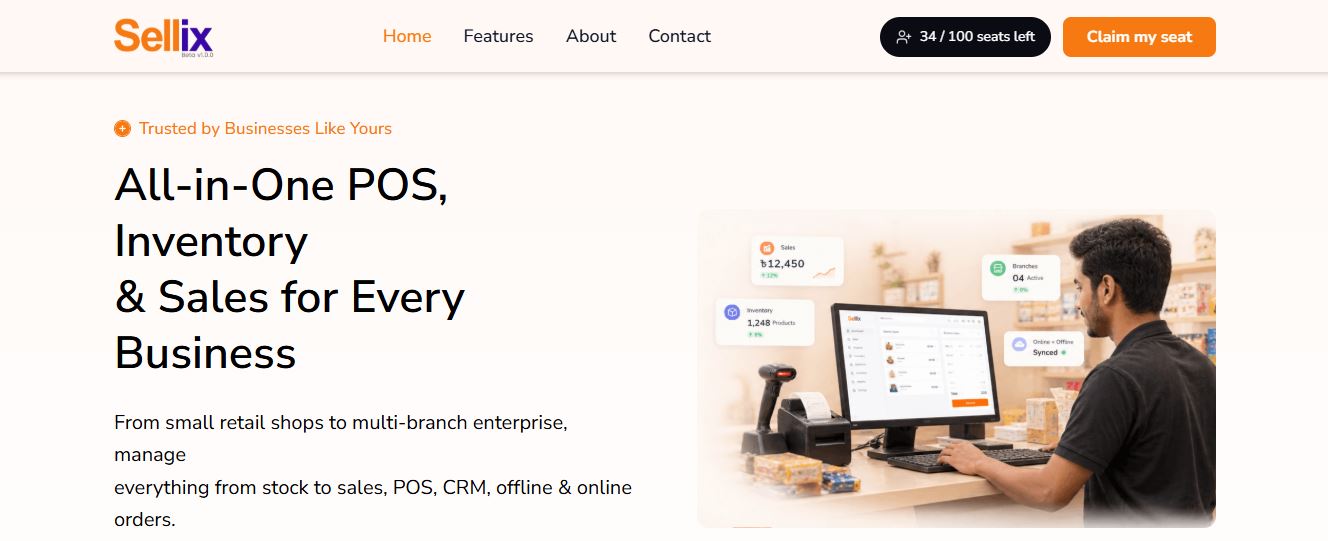
For fashion retailers, managing different product designs, sizes, colours and stock quantities requires proper organization. Sellix brings important retail operations together, helping businesses maintain better inventory visibility and manage daily activities more efficiently.
When searching for the Best Inventory Management Software, fashion retailers should consider a solution that connects inventory with sales, purchasing and business reporting. Sellix offers these connected capabilities through one retail management platform.
How Sellix Helps Fashion Retailers Take Control of Their Stock
Sellix by Taskco Digital is an AI-driven retail management and POS platform designed for shops, showrooms and growing retail chains. It connects POS billing, inventory, purchasing, suppliers, accounting, customers and multi-outlet operations through one platform.
For fashion retailers, Sellix provides relevant capabilities to organize product information, manage inventory and connect daily sales activities.
Here is how Sellix can support fashion businesses.
Product Variant and Inventory Management
Fashion stores need to organize products with different sizes, colours and variations. Sellix supports product variant management, helping retailers maintain structured product information and manage their inventory more efficiently.
This makes it easier to organize product records and connect them with daily retail operations.
Connected POS and Inventory
Sellix connects POS billing with inventory management. Retailers can process sales through the POS system while maintaining connected stock information.
Barcode scanning and fast billing capabilities can also help employees serve customers more efficiently.
Purchasing and Supplier Management
Sellix brings purchasing and supplier-related activities into the wider retail management platform. Retailers can organize purchasing information and use available restock support to plan replenishment.
Multi-Outlet Management
For fashion brands operating multiple showrooms, Sellix provides centralized management with head-office and branch-level visibility. Businesses can monitor operations across locations and maintain better control over their retail activities.
AI-Assisted Restock and Business Insights
Sellix includes AI Restock capabilities designed to support forecasting and replenishment decisions. Combined with sales and inventory information, these capabilities can help retailers make more informed operational decisions.
Online Store Synchronization
Sellix supports online store synchronization with its connected retail platform. This helps businesses manage supported online and in-store operations without depending entirely on separate product and inventory records.
By connecting these capabilities, Sellix offers more than a basic billing tool. It provides a broader retail operating platform for fashion businesses looking to organize sales, stock and purchasing activities.
Choosing the Right Inventory Management Solution for Fashion Retailers
Choosing software should begin with understanding your business requirements. A small boutique may need simple product and stock management, while a fashion chain may require centralized multi-outlet visibility.

Before selecting the Best Inventory Management Software, consider these factors:
1. Understand Your Product Structure
Check whether the system can organize your products and relevant variations, including sizes, colours and designs.
2. Review Inventory and POS Capabilities
Make sure inventory activities connect with sales and billing. This reduces the need for separate manual updates.
3. Check Multi-Outlet Requirements
If you operate several showrooms, evaluate whether the platform supports centralized management and branch-level visibility.
4. Evaluate Purchasing and Reporting
Look for organized purchase records, supplier management, sales reports and useful stock insights.
5. Consider Usability and Support
Your employees will use the system regularly. Choose a platform that fits your workflow and offers product demonstrations and onboarding guidance.
6. Compare the Overall Business Value
Do not select software based only on price or the number of features. Consider how well it connects your daily operations and supports your future business requirements.
The Best Inventory Management Software should help your team work with better organization and give business owners more useful information for decision-making.
Why Sellix Is a Smart Choice for Fashion Retail Businesses
Fashion retail requires coordination between products, stock, purchasing, billing and customer activities. Managing these operations through separate tools can create unnecessary complexity.
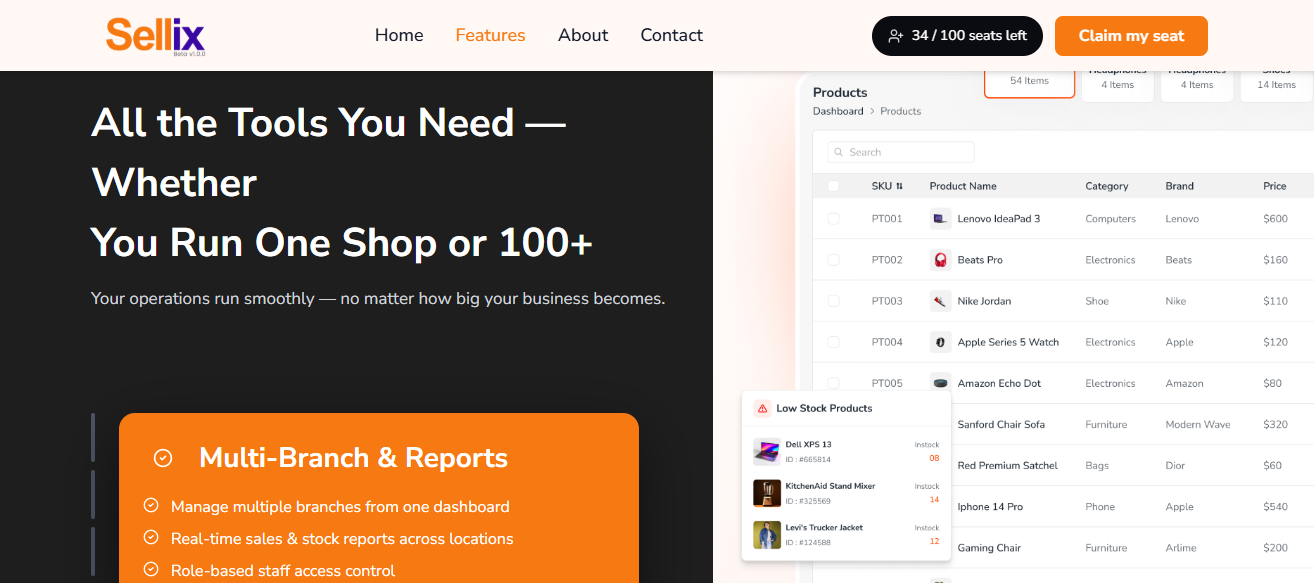
Sellix by Taskco Digital brings essential retail activities together through one connected platform. Its product variant management, inventory tracking, POS billing, purchasing, supplier management, multi-outlet operations and AI-assisted restock capabilities make it relevant for fashion retailers.
Whether you operate a single clothing store, a boutique or multiple showrooms, Sellix can help you organize daily retail activities and improve visibility across your business.
Instead of using one tool for billing and another for stock records, retailers can explore how Sellix connects these workflows. That is what makes it worth considering when searching for the Best Inventory Management Software for a growing fashion business.
Manage Your Fashion Inventory Smarter with Sellix
Fashion businesses need accurate inventory information to maintain product availability, manage seasonal collections and make better purchasing decisions. From size and colour variations to multi-outlet stock visibility, every activity needs proper organization.

Choosing the Best Inventory Management Software can help retailers reduce manual work, improve stock visibility and connect inventory with sales and purchasing operations.
Sellix by Taskco Digital offers a connected retail management platform with inventory, POS, purchasing, supplier management, reporting, multi-outlet operations and AI-assisted restock capabilities.
If you want to manage your fashion retail business with better control and visibility, explore Sellix and see how its features fit your business requirements.