Best Inventory Management Software for Convenience Stores
Explore the best inventory management software for convenience stores. Manage stock, expiry, purchases and sales with Sellix.
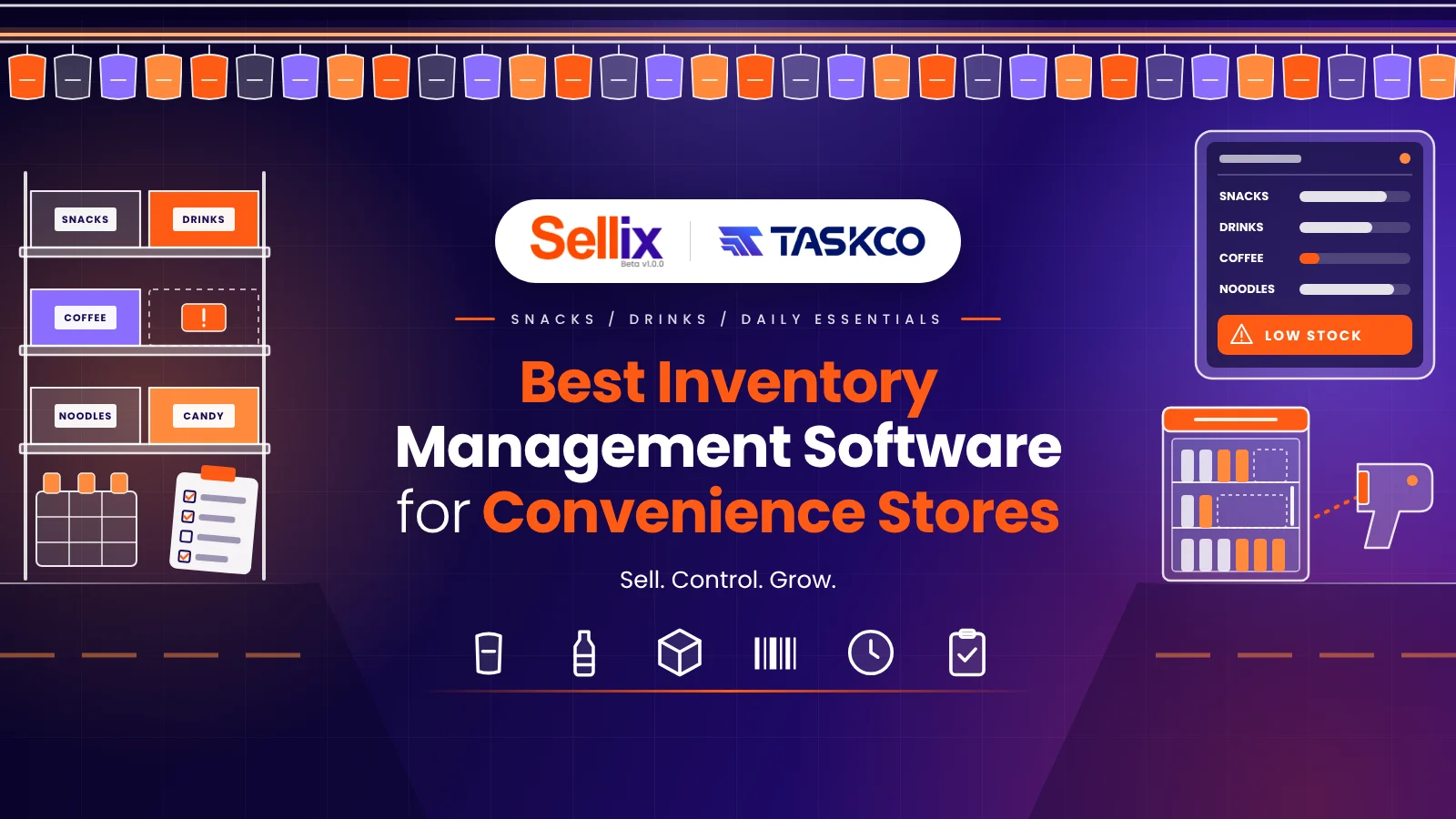
Running a convenience store may look simple, but managing hundreds or thousands of products, monitoring daily sales, tracking stock levels and handling supplier purchases can quickly become challenging. From beverages and snacks to groceries, personal care products and household essentials, every item needs proper inventory control. This is why choosing the Best Inventory Management Software has become important for convenience stores that want to reduce stock errors, prevent product shortages and improve daily operations.
The Best Inventory Management Software should do more than record incoming and outgoing products. It should help store owners understand what is selling, which products need restocking, how much stock is available and when products are approaching their expiry dates. Sellix by Taskco Digital offers an integrated retail management solution that connects inventory, POS billing, purchasing, supplier management, sales reports and AI-powered restock insights in one platform. It helps convenience stores manage their daily operations with better visibility and control.
What Is Inventory Management Software for Convenience Stores?
Inventory management software is a digital system that helps businesses record, monitor and manage their product stock. For convenience stores, it provides a central way to track products from purchasing and receiving to selling and restocking.

Instead of maintaining stock records in notebooks or separate spreadsheets, store owners can use the Best Inventory Management Software to monitor inventory digitally. When a product is sold through the POS system, its stock information can be updated accordingly. When new products arrive from suppliers, the store can record the purchase and update available quantities.
How Does It Work?
A typical inventory management workflow includes:
Product setup: Add product names, categories, prices, barcodes and other relevant details.
Stock receiving: Record products received from suppliers and update inventory quantities.
Sales processing: Sell products through POS billing and keep stock records connected with sales.
Stock monitoring: Review available quantities and identify products that need attention.
Restocking: Use stock information and sales insights to plan future purchases.
The Best Inventory Management Software connects these activities so store owners can make decisions based on organised business information rather than guesswork.
Why Do Convenience Stores Need Inventory Management Software?
Convenience stores usually operate with a large variety of everyday products. Some items sell within hours, while others may remain on shelves for weeks. Without a proper system, it becomes difficult to maintain the right stock levels.
1. Manage Fast-Moving Products
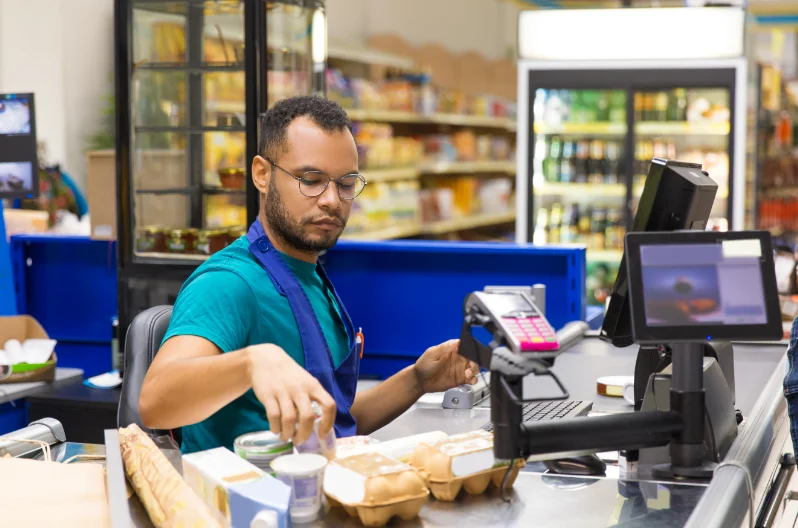
Beverages, snacks, packaged food, milk, bread and other everyday essentials often have frequent sales. If these products run out, customers may purchase them from another store.
The Best Inventory Management Software helps retailers monitor product movement and identify items that sell quickly. By reviewing sales and stock information, store owners can plan purchases more effectively and reduce the risk of running out of popular products.
2. Reduce Overstocking and Unnecessary Purchases
Keeping too much inventory can block working capital and create storage problems. Overstocking is particularly risky for products with limited shelf lives.
A reliable inventory system gives store owners better visibility into available quantities and product movement. The Best Inventory Management Software can help businesses identify slow-moving products and make more informed purchasing decisions.
3. Track Expiry Dates and Product Batches
Many convenience stores sell packaged food, dairy products, beverages and other items that may have expiry dates or batch information. Losing track of these details can lead to expired products remaining on shelves.
Software that supports batch and expiry management can help retailers organise product information and monitor relevant dates. This makes it easier to identify products that need attention before they become unsuitable for sale.
4. Maintain Accurate Stock Records
Manual stock counting and recordkeeping can lead to mistakes. A product may be sold without being recorded correctly, or new stock may arrive without updating the inventory.
The Best Inventory Management Software connects sales and stock records, helping reduce manual data-entry work and making inventory information easier to review.
5. Improve Supplier and Purchase Management
Convenience stores regularly purchase products from multiple suppliers. Managing supplier details, purchase records and incoming stock separately can become time-consuming.
An integrated system helps store owners organise purchasing activities and maintain supplier information. This gives businesses a clearer view of where products come from and how purchases affect available inventory.
Essential Features of the Best Inventory Management Software for Convenience Stores
Not every inventory system is designed for the daily requirements of a convenience store. Before choosing one, retailers should understand which features can make the biggest difference to their operations.

1. Real-Time Inventory Tracking
Real-time inventory tracking helps store owners monitor available stock as sales and purchases are recorded. It reduces dependence on manual updates and makes it easier to identify stock shortages.
The Best Inventory Management Software should connect inventory information with sales activities so that retailers can review stock positions without maintaining separate records.
2. Barcode Scanning and POS Integration
Convenience stores need quick billing because customers often purchase several small items in a single visit. Barcode scanning can make product identification and checkout faster.
When inventory and POS billing work together, each completed sale can be reflected in the stock records. This connection helps retailers manage sales and inventory through a more organised workflow.
3. Purchase and Supplier Management
A convenience store may purchase different product categories from different suppliers. A proper purchasing system helps organise purchase records and supplier information.
The Best Inventory Management Software should support a connected purchasing process so retailers can record incoming stock and maintain better visibility over supplier-related activities.
4. Batch and Expiry Management
Expiry management is important for stores selling food, beverages, dairy products and other date-sensitive items. Batch information can also help retailers identify products from particular deliveries.
Sellix includes FEFO, batch and expiry management capabilities. FEFO stands for First Expired, First Out. It is an inventory approach that prioritises products with earlier expiry dates for sale or use. This can help retailers organise stock more carefully.
5. AI-Powered Restock Insights
Knowing when to reorder products is one of the most important parts of convenience-store inventory management. Ordering too late can cause stockouts, while ordering too early can lead to excess stock.
AI-powered restock insights can help retailers understand stock movement and identify products that may need replenishment. Sellix includes AI Restock capabilities to support smarter inventory decisions.
6. Multi-Outlet Inventory Management
Some retailers operate more than one convenience store. Managing stock separately across branches can make it difficult to understand overall business performance.
The Best Inventory Management Software for a growing retail business should support multi-outlet management, allowing authorised users to maintain better visibility and control across different locations.
7. Sales Reports and Business Insights
Inventory decisions should be connected with sales performance. Store owners need to understand which products are selling, which categories are performing well and how stock relates to revenue.
Sales reports and accounting information can help retailers review business performance and make more informed operational decisions.
Meet Sellix and How Sellix by Taskco Digital Helps Convenience Stores
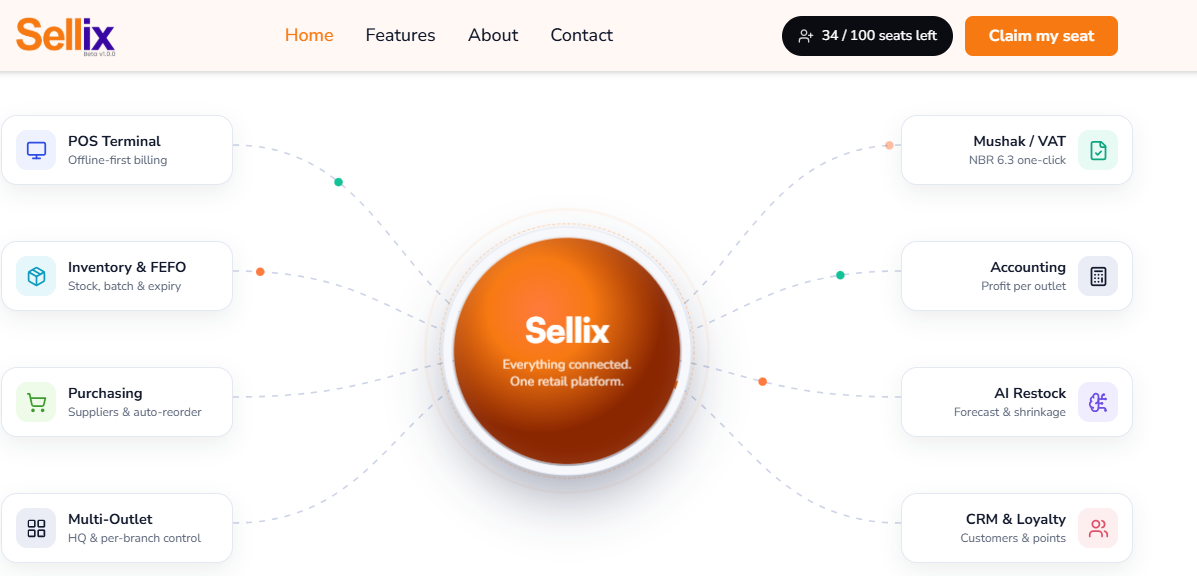
Sellix is an integrated retail management platform designed to bring important retail operations together. It combines POS billing, inventory management, purchase and supplier management, sales reporting, accounting and multi-outlet capabilities.
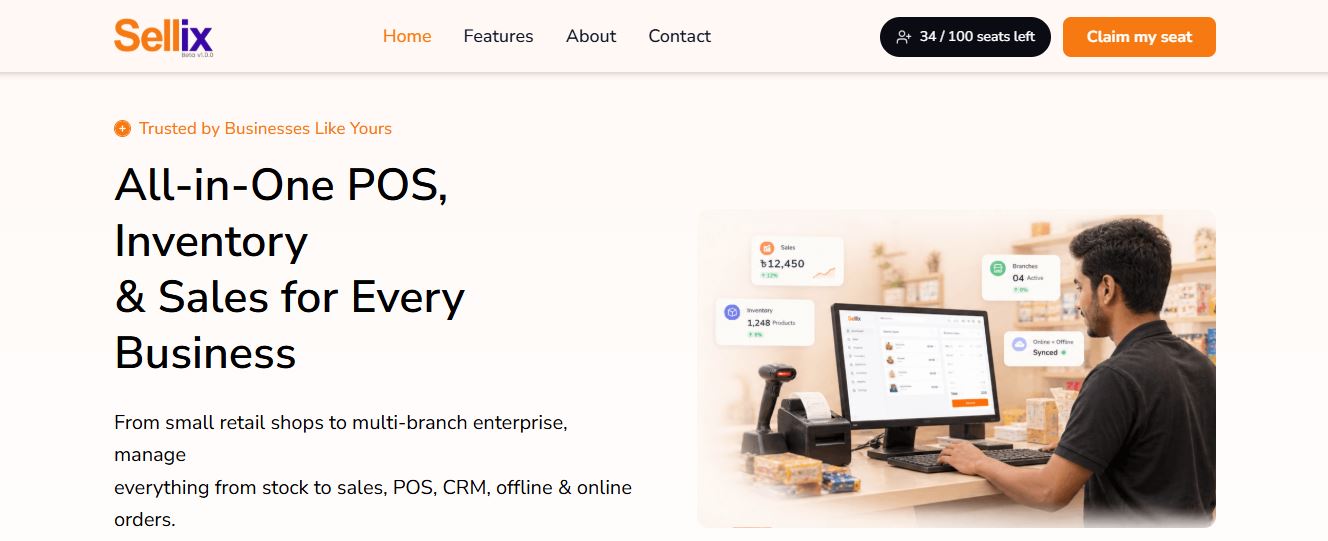
Choosing the Best Inventory Management Software is not simply about digitising a stock list. Convenience stores need a system that connects inventory with billing, purchasing, suppliers and business reporting.
What Can Convenience Stores Manage with Sellix?
POS and Fast Billing
Sellix helps retailers process sales through its POS system. Barcode scanning and connected product information support a more organised checkout process.
Inventory Management
Retailers can manage product information and monitor stock through a connected inventory system. This helps reduce the need for separate manual records.
Purchase and Supplier Management
Store owners can organise purchasing activities and supplier information, helping them maintain a clearer view of incoming products and stock replenishment.
Batch and Expiry Management
Sellix supports FEFO, batch and expiry management. These capabilities are useful for convenience stores handling date-sensitive products.
AI Restock
Sellix provides AI Restock capabilities to help retailers review stock insights and make more informed replenishment decisions.
Sales Reports and Accounting
Connected sales and accounting information helps retailers review business performance and understand their operations more clearly.
Multi-Outlet Management
For businesses operating multiple locations, Sellix supports multi-outlet management. This helps retailers manage different branches through a connected retail platform.
By bringing these capabilities together, Sellix helps convenience stores move away from disconnected tools and manage more of their daily retail activities from one system. For retailers comparing the Best Inventory Management Software, this connected approach is worth considering.
Essential Considerations Before Choosing Inventory Management Software
Before investing in a system, store owners should evaluate their current business requirements and future growth plans.
1. Understand Your Store's Inventory Requirements
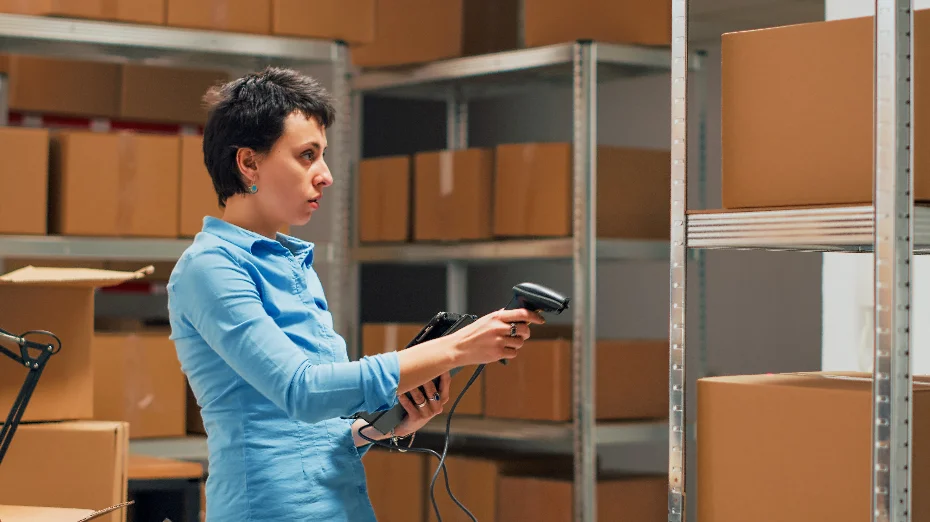
Start by identifying the number of products you manage, the categories you sell and how frequently you restock. A store selling mostly packaged goods may have different requirements from one selling fresh and expiry-sensitive products.
2. Check POS and Inventory Integration
Choose software that connects sales with inventory. If the POS and inventory systems are separate, employees may need to update stock records manually, increasing the possibility of errors.
3. Evaluate Expiry and Batch Tracking
If your store sells food, dairy products or other expiry-sensitive items, check whether the system supports batch and expiry information. This capability can help improve stock organisation.
4. Review Purchase and Supplier Features
Consider how the software handles purchase records, supplier details and incoming stock. These features are important for stores that regularly purchase from multiple suppliers.
5. Consider Reporting and Restock Insights
Useful reports can help you understand product movement and purchasing requirements. Look for a system that provides clear business information instead of only showing product quantities.
6. Think About Future Expansion
If you plan to open more branches, consider multi-outlet management from the beginning. Choosing scalable software can make it easier to manage operations as the business grows.
The Best Inventory Management Software should fit your store's actual workflow, remain easy for employees to use and support your future business requirements.
How the Best Inventory Management Software Helps Convenience Stores Grow
Implementing the Best Inventory Management Software can improve several areas of daily retail operations.
Better stock visibility: Understand available product quantities more easily.
Fewer manual errors: Reduce repetitive stock-recording tasks.
Smarter purchasing: Use stock and sales information to plan replenishment.
Expiry awareness: Organise batch and expiry information for relevant products.
Faster checkout operations: Connect POS billing with product and inventory records.
Improved business visibility: Review sales and accounting information in one connected workflow.
Support for expansion: Manage multiple outlets through a more organised system.
These benefits depend on proper setup, accurate product records and consistent use of the software. Technology supports better inventory management, but store owners and employees still need to follow clear stock-handling procedures.
Why Sellix Is a Smart Choice for Convenience Stores
Convenience stores need more than a digital stock register. They need a system that connects everyday retail activities and makes important business information easier to access.
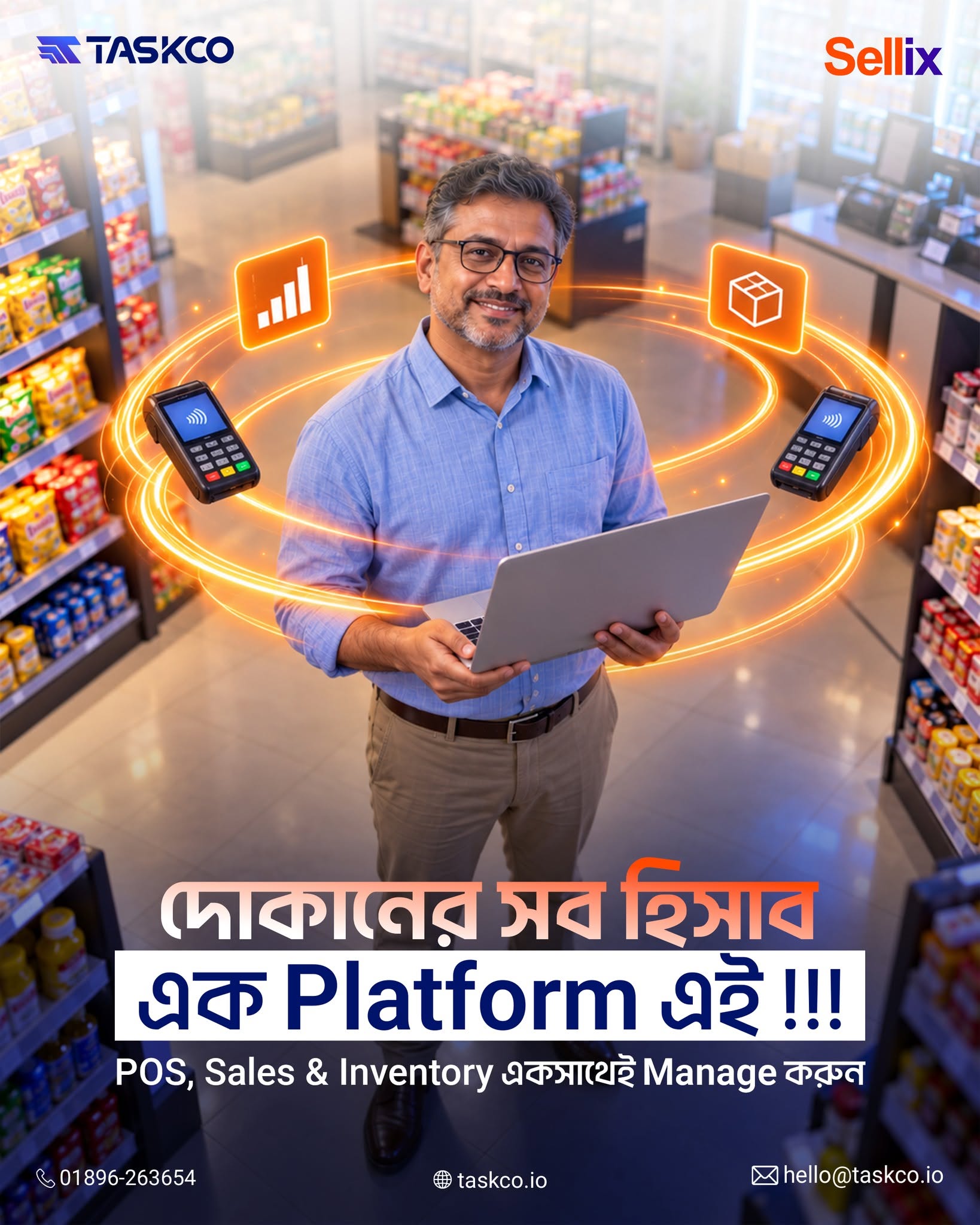
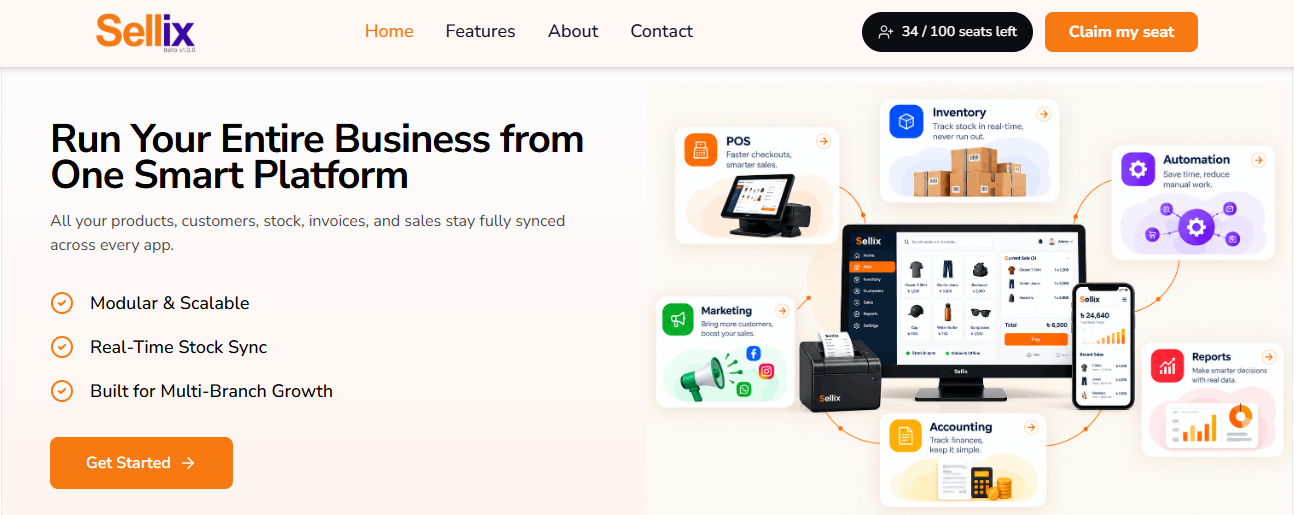
Sellix by Taskco Digital brings POS billing, inventory, purchasing, supplier management, expiry tracking, AI Restock, accounting and multi-outlet management into one retail platform. Instead of handling these activities through disconnected tools, retailers can manage key operations through a connected system.
For businesses looking for the Best Inventory Management Software, Sellix is an option to explore, particularly if they want to connect inventory with billing, purchasing and wider retail management.
Whether you operate a neighbourhood convenience store, a mini-mart or multiple retail outlets, the right software can help you build a more organised operation.
Simplify Store Operations with Smart Inventory Management
Managing a convenience store requires constant attention to product availability, sales, purchases, suppliers and expiry dates. Manual inventory processes can make these responsibilities more difficult as product ranges and customer demand increase.
The Best Inventory Management Software helps retailers organise stock records, connect sales with inventory, manage purchases and make better replenishment decisions. Choosing a solution with POS integration, expiry management, supplier records, reporting and multi-outlet support can make a meaningful difference to daily operations.
Sellix by Taskco Digital offers these connected retail management capabilities through one platform. If you want to improve how your convenience store manages inventory and sales, explore Sellix and see how it can support your retail operations.